


 Edit article
Series
Ezekiel Demotes the Levites for Idolatry—The Golden Calf Story Ordains Them


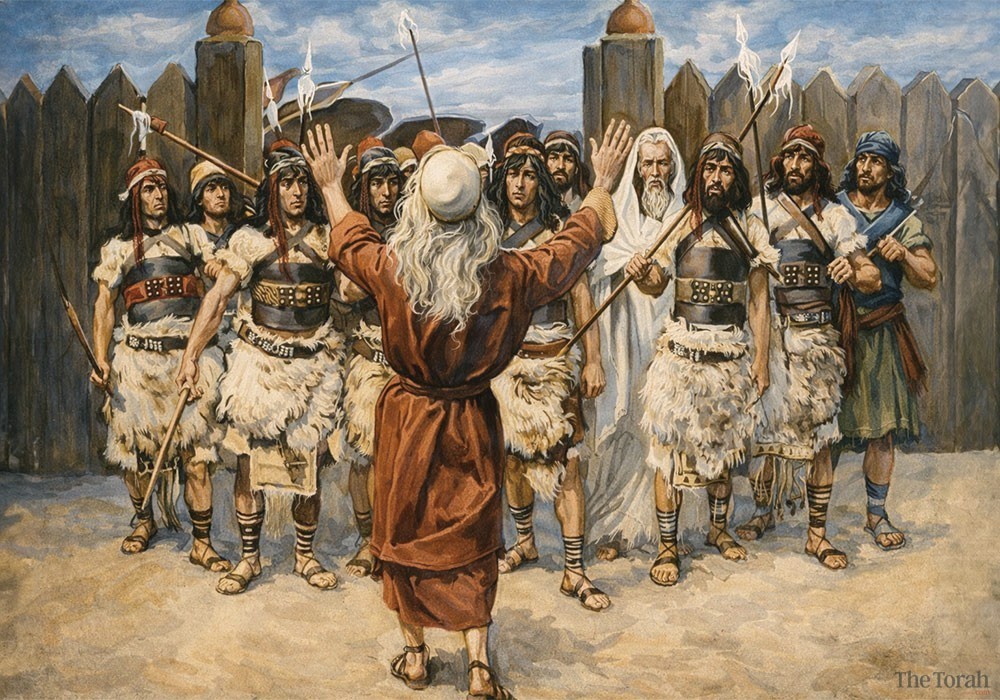
“Thus says YHWH, the God of Israel: ‘Put your sword on your side, each of you! Go back and forth from gate to gate throughout the camp, and each of you kill your brother, your friend, and your neighbor.’” —Exodus 32:27. (Adapted) The Bible and its story, 1908
Ezekiel’s Accusation: The Levites Led Israel to Serve Idols
Ezekiel, prophesying in the Babylonian exile, accuses the Levites of going astray after idols and leading Israel into iniquity:
יחזקאל מד:י כִּי אִם הַלְוִיִּם אֲשֶׁר רָחֲקוּ מֵעָלַי בִּתְעוֹת יִשְׂרָאֵל אֲשֶׁר תָּעוּ מֵעָלַי אַחֲרֵי גִּלּוּלֵיהֶם וְנָשְׂאוּ עֲוֹנָם.
Ezek 44:10 But the Levites who forsook Me when Israel went astray—straying from Me to follow their fetishes—shall suffer their punishment.[1]
As a result of their disloyalty, Ezekiel claims that when the Temple is restored,[2] they will be assigned only to ancillary roles as gatekeepers, assistants in sacrificial labor, and caretakers:
יחזקאל מד:יא וְהָיוּ בְמִקְדָּשִׁי מְשָׁרְתִים פְּקֻדּוֹת אֶל שַׁעֲרֵי הַבַּיִת וּמְשָׁרְתִים אֶת הַבָּיִת הֵמָּה יִשְׁחֲטוּ אֶת הָעֹלָה וְאֶת הַזֶּבַח לָעָם וְהֵמָּה יַעַמְדוּ לִפְנֵיהֶם לְשָׁרְתָם.
Ezek 44:11 They shall be servitors in My Sanctuary, appointed over the Temple gates, and performing the chores of My Temple; they shall slaughter the burnt offerings and the sacrifices for the people. They shall attend on them and serve them.
Speaking for YHWH, Ezekiel elaborates:
יחזקאל מד:יב יַעַן אֲשֶׁר יְשָׁרְתוּ אוֹתָם לִפְנֵי גִלּוּלֵיהֶם וְהָיוּ לְבֵית יִשְׂרָאֵל לְמִכְשׁוֹל עָוֹן עַל כֵּן נָשָׂאתִי יָדִי עֲלֵיהֶם נְאֻם אֲדֹנָי יְ־הוִה וְנָשְׂאוּ עֲוֹנָם.
Ezek 44:12 Because they served the House of Israel in the presence of their fetishes and made them stumble into guilt, therefore—declares the Lord GOD—I have sworn concerning them that they shall suffer their punishment.
Then YHWH makes clear that the Levites have been permanently demoted from the role of כֹּהֵן, “priest”:
יחזקאל מד:יג וְלֹא יִגְּשׁוּ אֵלַי לְכַהֵן לִי וְלָגֶשֶׁת עַל כָּל קָדָשַׁי אֶל קָדְשֵׁי הַקְּדָשִׁים וְנָשְׂאוּ כְּלִמָּתָם וְתוֹעֲבוֹתָם אֲשֶׁר עָשׂוּ. מד:יד וְנָתַתִּי אוֹתָם שֹׁמְרֵי מִשְׁמֶרֶת הַבָּיִת לְכֹל עֲבֹדָתוֹ וּלְכֹל אֲשֶׁר יֵעָשֶׂה בּוֹ.
Ezek 44:13 They shall not approach Me to serve Me as priests, to come near any of My sacred offerings, the most holy things. They shall bear their shame for the abominations that they committed. 44:14 I will make them watchmen of the Temple, to perform all its chores, everything that needs to be done in it.
Only the Zadokites Are Priests
The בְּנֵי צָדוֹק, “sons of Zadok”—i.e., Zadokite priests, whom Ezekiel describes as a family line within the Levites—alone are permitted to serve YHWH and enter His sanctuary:[3]
יחזקאל מד:טו וְהַכֹּהֲנִים הַלְוִיִּם בְּנֵי צָדוֹק אֲשֶׁר שָׁמְרוּ אֶת מִשְׁמֶרֶת מִקְדָּשִׁי בִּתְעוֹת בְּנֵי יִשְׂרָאֵל מֵעָלַי הֵמָּה יִקְרְבוּ אֵלַי לְשָׁרְתֵנִי וְעָמְדוּ לְפָנַי לְהַקְרִיב לִי חֵלֶב וָדָם נְאֻם אֲדֹנָי יְ־הוִה. מד:טז הֵמָּה יָבֹאוּ אֶל מִקְדָּשִׁי וְהֵמָּה יִקְרְבוּ אֶל שֻׁלְחָנִי לְשָׁרְתֵנִי וְשָׁמְרוּ אֶת מִשְׁמַרְתִּי.
Ezek 44:15 But the levitical priests[4] descended from Zadok, who maintained the service of My Sanctuary when the people of Israel went astray from Me—they shall approach Me to minister to Me; they shall stand before Me to offer Me fat and blood—declares the Lord YHWH. 44:16 They alone may enter My Sanctuary and they alone shall approach My table to minister to Me; and they shall keep My charge.
Scholars have long regarded this passage as a later Zadokite redaction.[5] After all, Ezekiel’s earlier condemnations of the priests of Jerusalem do not distinguish between Levites and Zadokites. For example, he declares simply that all of Jerusalem’s priests have failed to uphold their roles:[6]
יחזקאל כב:כו כֹּהֲנֶיהָ חָמְסוּ תוֹרָתִי וַיְחַלְּלוּ קָדָשַׁי בֵּין קֹדֶשׁ לְחֹל לֹא הִבְדִּילוּ וּבֵין הַטָּמֵא לְטָהוֹר לֹא הוֹדִיעוּ וּמִשַׁבְּתוֹתַי הֶעְלִימוּ עֵינֵיהֶם וָאֵחַל בְּתוֹכָם.
Ezek 22:26 Her priests have violated My Teaching: they have profaned what is sacred to Me, they have not distinguished between the sacred and the profane, they have not taught the difference between the unclean and the clean, and they have closed their eyes to My sabbaths. I am profaned in their midst.
The beginning of Ezekiel’s Temple vision does differentiate between the roles of the Levites and the Zadokites, but it describes both as כֹּהֲנִים, “priests”:
יחזקאל מ:מה וַיְדַבֵּר אֵלָי זֹה הַלִּשְׁכָּה אֲשֶׁר פָּנֶיהָ דֶּרֶךְ הַדָּרוֹם לַכֹּהֲנִים שֹׁמְרֵי מִשְׁמֶרֶת הַבָּיִת. מ:מו וְהַלִּשְׁכָּה אֲשֶׁר פָּנֶיהָ דֶּרֶךְ הַצָּפוֹן לַכֹּהֲנִים שֹׁמְרֵי מִשְׁמֶרֶת הַמִּזְבֵּחַ הֵמָּה בְנֵי צָדוֹק הַקְּרֵבִים מִבְּנֵי לֵוִי אֶל יְ־הוָה לְשָׁרְתוֹ.
Ezek 40:45 [The man] explained to me: “The chamber that faces south is for the priests who perform the duties of the Temple; 40:46 and the chamber that faces north is for the priests who perform the duties of the altar—they are the descendants of Zadok, who alone of the descendants of Levi may approach YHWH to minister to Him.”
This and other additions to Ezekiel’s vision of the future[7] Temple vision sought to construct a past in which the Zadokites alone maintained proper cultic fidelity in pre-exilic Jerusalem, thereby justifying the consolidation of Zadokite authority in the early Persian period.[8]
The Post-Exilic Contest for Priestly Authority
The post-exilic period in Judah was marked by intense competition over religious authority, particularly within the priesthood.[9] Returning priestly families associated with the Zadokite line sought to secure a privileged position in the restored Temple and promoted a hierarchical vision of the cult in which only the sons of Zadok would enjoy full priestly status. The Zadokite claims to exclusive authority, however, did not go unchallenged.
In response, Levite priestly groups and Levite-aligned scribal circles preserved and developed alternative narratives. While some of these texts were crafted specifically to counter Zadokite claims, others emerged from broader Levitical efforts to establish and maintain their own priestly authority.[10] These circles drew upon longstanding Levitical traditions, northern memories, and Deuteronomistic conceptions of textual and juridical authority.[11]
For example, Deuteronomy portrays the Levites as divinely appointed teachers: יוֹרוּ מִשְׁפָּטֶיךָ לְיַעֲקֹב וְתוֹרָתְךָ לְיִשְׂרָאֵל, “They shall teach Your laws to Jacob and Your instructions to Israel” (33:10), establishing their authority as interpreters of divine instruction. Similarly, Chronicles presents the Levites’ authority as grounded in direct divine election:
דברי הימים א טו:ב אָז אָמַר דָּוִיד לֹא לָשֵׂאת אֶת אֲרוֹן הָאֱלֹהִים כִּי אִם הַלְוִיִּם כִּי בָם בָּחַר יְ־הוָה לָשֵׂאת אֶת אֲרוֹן יְ־הוָה וּלְשָׁרְתוֹ עַד עוֹלָם.
1 Chr. 15:2 Then David gave orders that no one but the Levites were to carry the Ark of God, for YHWH had chosen them to carry the Ark of YHWH and to minister to Him forever.[12]
Here, YHWH’s direct choice of the Levites establishes their unique role and designates their ministry as permanent.
The influence of these Levite priestly groups and Levite-aligned scribal circles appears not only in Deuteronomy and Chronicles, but also in works such as Jeremiah and portions of the Book of the Twelve: each stresses the Levites’ roles as interpreters of torah,[13] guardians of communal fidelity, and mediators of Israel’s covenantal identity.[14] These narratives served an important strategic function: by projecting Levitical loyalty deep into Israel’s formative past, they strengthened claims to legitimacy that could compete with, and ultimately undermine, Zadokite assertions of exclusive priestly authority.
The Levite-aligned groups are also responsible for a counter-narrative in the golden calf story (Exod 32) that directly contests Zadokite claims.
The Levites Kill the Worshippers of the Golden Calf: A Counter-Narrative
After he returns from Mt. Sinai, Moses sees (וַיַּרְא) the golden calf and the people celebrating before it and becomes enraged:
שׁמות לב:יט וַיְהִי כַּאֲשֶׁר קָרַב אֶל הַמַּחֲנֶה וַיַּרְא אֶת הָעֵגֶל וּמְחֹלֹת וַיִּחַר אַף מֹשֶׁה וַיַּשְׁלֵךְ מידו [מִיָּדָיו] אֶת הַלֻּחֹת וַיְשַׁבֵּר אֹתָם תַּחַת הָהָר.
Exod 32:19 As soon as Moses came near the camp and saw the calf and the dancing, he became enraged; and he hurled the tablets from his hands and shattered them at the foot of the mountain.
Moses then destroys the calf and forces the Israelites to drink water containing its powdered remnants:
שׁמות לב:כ וַיִּקַּח אֶת הָעֵגֶל אֲשֶׁר עָשׂוּ וַיִּשְׂרֹף בָּאֵשׁ וַיִּטְחַן עַד אֲשֶׁר דָּק וַיִּזֶר עַל פְּנֵי הַמַּיִם וַיַּשְׁקְ אֶת בְּנֵי יִשְׂרָאֵל.
Exod 32:20 He took the calf that they had made and burned it; he ground it to powder and strewed it upon the water and so made the Israelites drink it.
Next, Moses confronts Aaron about what the people have done:
שׁמות לב:כא וַיֹּאמֶר מֹשֶׁה אֶל אַהֲרֹן מֶה עָשָׂה לְךָ הָעָם הַזֶּה כִּי הֵבֵאתָ עָלָיו חֲטָאָה גְדֹלָה. לב:כב וַיֹּאמֶר אַהֲרֹן אַל יִחַר אַף אֲדֹנִי אַתָּה יָדַעְתָּ אֶת הָעָם כִּי בְרָע הוּא.
Exod 32:21 Moses said to Aaron, “What did this people do to you that you have brought such great sin upon them?” 32:22 Aaron said, “Let not my lord be enraged. You know that this people is bent on evil.
Aaron explains that the people demanded that he make the calf, and so he collected their golden jewelry, threw it into the fire, and out came the calf (vv. 23–24)!
Since Moses has already seen the people’s behavior and confronted Aaron about it, we might expect the story to move toward its conclusion. Instead, however, we read again that Moses sees what the people were doing:
שׁמות לב:כה וַיַּרְא מֹשֶׁה אֶת־הָעָם כִּי פָרֻעַ הוּא כִּי פְרָעֹה אַהֲרֹן לְשִׁמְצָה בְּקָמֵיהֶם.
Exod 32:25 Moses saw that the people were out of control (for Aaron had lost control of them, prompting derision among their enemies).
The repetition of וַיַּרְא, “saw,” signals a fresh beginning rather than a continuation, suggesting that what follows is an independent tradition that has been inserted into the larger narrative.[15]
While Aaron’s role in making the calf has already been acknowledged (vv. 23–24), verse 25 makes him directly responsible for the people being פָרֻעַ, “out of control”: כִּי פְרָעֹה אַהֲרֹן, “for Aaron had lost control of them.” The verse effectively disqualifies Aaron, the priest par excellence in other priestly traditions, as an agent of covenant fidelity.[16]
The story continues with Moses’ challenge to the wider community, introducing the critical moment in which the Levites distinguish themselves from the rest of the Israelites as the only group that steps forward to defend YHWH:
שׁמות לב:כו וַיַּעֲמֹד מֹשֶׁה בְּשַׁעַר הַמַּחֲנֶה וַיֹּאמֶר מִי לַי־הוָה אֵלָי וַיֵּאָסְפוּ אֵלָיו כָּל בְּנֵי לֵוִי.
Exod 32:26 Then Moses stood in the gate of the camp and said, “Who is on the YHWH’s side? Come to me!” And all the sons of Levi gathered around him.
Nothing in the narrative prepares the reader for the Levites’ appearance at this moment; they have played no role in the story thus far, and are not here introduced as a group with a prior moral distinction.[17] Their appearance here is a redactional addition that functions rhetorically to establish the Levites, rather than the priests in general (the kohanim) or the Zadokites, as the sole group capable of answering Moses’ call to restore covenant order.
In sharp contrast to Ezekiel’s charge that the Levites led Israel into idolatry, this scene reframes them as the only Israelites who align themselves unambiguously with YHWH. The narrative thus begins to recast Levitical identity around an act of voluntary fidelity that no other group or person demonstrates.
Moses then commands the Levites to strike down their fellow Israelites:
שׁמות לב:כז וַיֹּאמֶר לָהֶם כֹּה אָמַר יְ־הוָה אֱלֹהֵי יִשְׂרָאֵל שִׂימוּ אִישׁ חַרְבּוֹ עַל יְרֵכוֹ עִבְרוּ וָשׁוּבוּ מִשַּׁעַר לָשַׁעַר בַּמַּחֲנֶה וְהִרְגוּ אִישׁ אֶת אָחִיו וְאִישׁ אֶת רֵעֵהוּ וְאִישׁ אֶת קְרֹבוֹ.
Exod 32:27 He said to them, “Thus says YHWH, the God of Israel: ‘Put your sword on your side, each of you! Go back and forth from gate to gate[18] throughout the camp, and each of you kill your brother, your friend, and your neighbor.’”
Moses’ opening formula, כֹּה אָמַר יְ־הוָה, “Thus says YHWH”—the classic prophetic introduction, familiar from Amos, Isaiah, and more importantly, Ezekiel—frames what follows not as Moses’ personal command but as a divine directive delivered in prophetic style. Its presence here is especially striking, since the story does not include a scene in which YHWH actually instructs Moses, and of the nearly three hundred appearances of this formula in the Bible, only ten are in the Torah.
The language heightens the contrast with Ezekiel’s pronouncement of divine judgment against the Levites (ch. 44); here Moses delivers a divine message that authorizes them. Although the command to kill brother, friend and neighbor is severe, the narrative focuses less on the act itself than on the willingness of only the Levites to carry out what is framed as God’s directive at a time when all other Israelites have turned away.
The Levites respond to the divine command with unquestioning obedience:
שׁמות לב:כח וַיַּעֲשׂוּ בְנֵי לֵוִי כִּדְבַר מֹשֶׁה וַיִּפֹּל מִן הָעָם בַּיּוֹם הַהוּא כִּשְׁלֹשֶׁת אַלְפֵי אִישׁ.
Exod 32:28 The sons of Levi did as Moses commanded, and about three thousand of the people fell on that day.
There is no hesitation, no dialogue, and no attempt to soften the severity of what they have been commanded to do. Again, in contrast to Ezekiel’s claim that the Levites once led Israel astray, here, their defining characteristic is not failure but resolve, even when confronted with a command that cuts across kinship and social bonds, and their obedience is the necessary act that restores order to a community in disarray.
Moses’ final declaration interprets the significance of the Levites’ actions:
שׁמות לב:כט וַיֹּאמֶר מֹשֶׁה מִלְאוּ יֶדְכֶם הַיּוֹם לַי־הוָה כִּי אִישׁ בִּבְנוֹ וּבְאָחִיו וְלָתֵת עֲלֵיכֶם הַיּוֹם בְּרָכָה.
Exod 32:29 Moses said, “Today you have been ordained for [the service of] YHWH, each one at the cost of a son or a brother, and so have brought a blessing on yourselves this day.”[19]
In the key phrase, מִלְאוּ יֶדְכֶם הַיּוֹם לַי־הוָה, the verb מִלְאוּ can be read either as “fill your hand!” (a second masculine plural Qal imperative) or as “they have filled your hand” (third-person common plural Piel perfect). But what does this expression mean?
Within the broader usage of מלא + יד in the Torah, the phrase consistently appears in priestly ordination contexts and always in the Piel. For example, the detailed instructions regarding the priestly vestments state:
שׁמות כח:מא וְהִלְבַּשְׁתָּ אֹתָם אֶת אַהֲרֹן אָחִיךָ וְאֶת בָּנָיו אִתּוֹ וּמָשַׁחְתָּ אֹתָם וּמִלֵּאתָ אֶת יָדָם וְקִדַּשְׁתָּ אֹתָם וְכִהֲנוּ לִי.
Exod 28:41 Put these on your brother Aaron and on his sons as well; anoint them, and ordain them and consecrate them to serve Me as priests.
Likewise, the instructions for the consecration of Aaron and his sons note:
ויקרא ח:לג וּמִפֶּתַח אֹהֶל מוֹעֵד לֹא תֵצְאוּ שִׁבְעַת יָמִים עַד יוֹם מְלֹאת יְמֵי מִלֻּאֵיכֶם כִּי שִׁבְעַת יָמִים יְמַלֵּא אֶת יֶדְכֶם.
Lev 8:33 You shall not go outside the entrance of the Tent of Meeting for seven days, until the day that your period of ordination is completed. For your ordination will require seven days.
Thus, in the story about the Levites and the golden calf, Moses is not commanding the Levites to consecrate themselves; he is declaring that their act has consecrated them: מִלְאוּ יֶדְכֶם הַיּוֹם לַי־הוָה, “Today, you have been ordained for [the service of] YHWH.” Their willingness to carry out the divine command becomes the moment through which their new status is conferred.
By employing the exact technical terminology used elsewhere in the Torah exclusively for Aaronide ordination[20]—to establish Aaron and his sons as YHWH’s legitimate priests—the narrative makes a bold claim: the Levites receive priestly status through the same type of consecration formula reserved for Aaron and his descendants.
The rhetorical significance of this declaration cannot be overstated; it transforms what could have been a simple account of Levite obedience into a direct assertion of priestly legitimacy. The Levites are not subordinate temple servants but legitimately ordained priests whose consecration rivals that of Aaron himself. Moses’ final words—וְלָתֵת עֲלֵיכֶם הַיּוֹם בְּרָכָה, “and so [you] have brought a blessing on yourselves this day”—underscore this recognition: the Levites’ new status is a blessing, grounded not in ancestry or prior privilege but in this act of loyalty.
These verses construct a sharply defined alternative memory of Levitical identity. In a narrative otherwise marked by covenant disobedience and failed leadership, the Levites alone respond to a divine charge, carry it out decisively, and receive a declaration confirming their priestly status using the consecration formula that establishes priestly legitimacy throughout the Torah.
The Levites: Between Exodus and Ezekiel
When this narrative of the Levites’ defense of YHWH is read alongside the accusations of Ezekiel (44:10–14), the contrast becomes striking: the very group portrayed in Ezekiel as disqualified because of past idol worship is, in the golden calf story, portrayed as the only group capable of restoring fidelity at Israel’s moment of deepest rupture.
This tension between the two portrayals reflects the broader post-exilic debate over priestly legitimacy: the story of the Levites’ loyalty functions not as a neutral record but as a purposeful counter-narrative crafted to challenge competing claims.[21] By locating the Levites’ legitimacy in the earliest stage of Israel’s story, the Levitical scribes asserted a claim to priestly legitimacy that preceded and undermined the Zadokite account.[22]
TheTorah.com is a 501(c)(3) nonprofit organization.
We rely on the support of readers like you. Please support us.
Published
March 9, 2026
|
Last Updated
September 29, 2026
Previous in the Series
Next in the Series
Before you continue...
Thank you to all our readers who offered their year-end support.
Please help TheTorah.com get off to a strong start in 2025.
Footnotes


Dr. Lenny Prado is a visiting lecturer in Hebrew Bible at College of the Holy Cross in Worcester, MA. He received a Ph.D. in Bible and the Ancient Near East from Brandeis University in 2023. His first book, Counternarratives in the Exodus Plague Cycle: Priestly Revision of the Yahwistic Plague Tradition (forthcoming from Mohr Siebeck), is a revision of his doctoral dissertation.
Essays on Related Topics: