


 Edit article
Series
Symposium
Monotheism Is Harder than I Thought


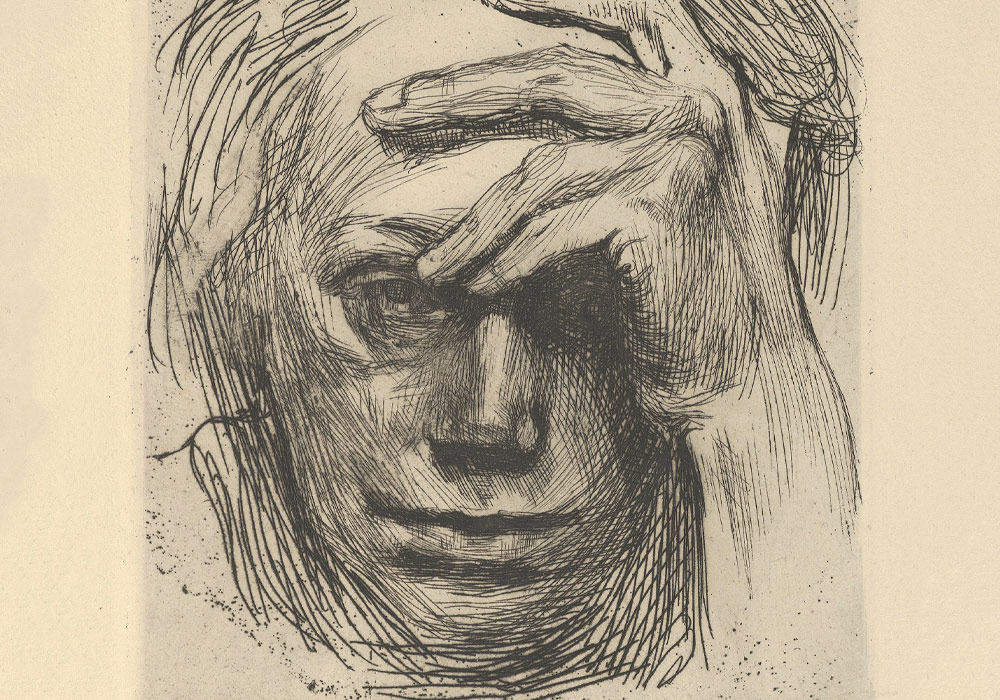
Even God undergoes a change of mind from time to time; in this case after confronted by Moses:
שמות לב:יד וַיִּנָּחֶם יְ־הֹוָה עַל הָרָעָה אֲשֶׁר דִּבֶּר לַעֲשׂוֹת לְעַמּוֹ.
Exod 32:14 And YHWH renounced the punishment He had planned to bring upon His people.[1]
While the biblical text suggests that YHWH is fallible and, therefore, subject to human correction, a more philosophical reading is that YHWH is being depicted as a fair and open-minded judge who can be moved by pleas for mercy, setting a standard for human judges to emulate.
The passage is especially relevant on the High Holidays, when we ask for forgiveness from those we have wronged or grant forgiveness to those who have wronged us. A person who was so convinced of the soundness of their position that they turned a deaf ear to anyone who suggested that they reconsider would be ignoring this standard and placing themselves above God.
Slowly Opening Myself Up for Doubt
My own change of mind came about on the question of religious doctrines. Like many people, I once saw Judaism as an oasis of security in a world of doubt and confusion. As a philosopher, my job was to answer skeptical objections to established doctrines. I accepted the possibility, even the reality of miracles, a near literal account of revelation, and simplistic readings of biblical passages that raise knotty problems.
I cannot pinpoint one moment when everything began to change; rather my original view was like an old house whose walls and beams begin to decay slowly but irreversibly over time. As doubts crept in, I asked myself whether a healthy measure skepticism was really anti-Jewish. Would my commitment to Torah study be damaged if I saw the miracles as attempts at metaphor? Is it clear from a close and sympathetic reading of the Torah that revelation is a simple phenomenon?[2]
Rather than brushing over difficult passages, I began to follow the advice of Ben Bag Bag הֲפֹךְ בָּהּ וַהֲפֹךְ בָּהּ “turn them over again and again” (m. Avot 5:22) to see what I could learn.
Is the Torah Monotheistic?
My change of heart came to a head with the doctrine of monotheism. What could be more central to Judaism than this? But what is monotheism exactly? To my mind, belief in a single deity was not enough because one could believe in a god who despite his unique status, looks, acts, and sounds like a glorified human being—which is actually how YHWH is depicted in many biblical texts. Even if such a deity were to prohibit the making of plastic images, commitment to him would not count as monotheistic as we now understand the term.
Eventually I came to the conclusion that the first true monotheist was not Abraham or Moses but Deutero-Isaiah.[3] First, we see the claim that YHWH is the only deity:
ישעיה מד:ו כֹּה אָמַר יְ־הֹוָה מֶלֶךְ יִשְׂרָאֵל וְגֹאֲלוֹ יְ־הֹוָה צְבָאוֹת אֲנִי רִאשׁוֹן וַאֲנִי אַחֲרוֹן וּמִבַּלְעָדַי אֵין אֱלֹהִים.
Isa 44:6 Thus said YHWH, the Sovereign of Israel, their Redeemer, YHWH of Hosts: I am the first and I am the last, and there is no god but Me.
But Deutero-Isaiah makes a further claim that no pagan god or goddess could make, about YHWH being unlike anything else:
ישעיה מ:יח וְאֶל מִי תְּדַמְּיוּן אֵל וּמַה דְּמוּת תַּעַרְכוּ לוֹ.
Isa 40:18 To whom, then, can you liken God, with what form can you make comparison?
מ:כה וְאֶל מִי תְדַמְּיוּנִי וְאֶשְׁוֶה יֹאמַר קָדוֹשׁ.
40:25 “To whom, then, can you liken Me? To whom can I be compared?” Says the Holy One.
With this second claim comes a basic question that any monotheist must ask: How do you characterize something that does not resemble anything else? It will not do to say that God is a bigger, better, or more exalted version of something we are familiar with. Nor will it do to put God in a category to which something else belongs even if God is at the top. How, then, can we say anything substantive about God at all?
Maimonides: God Is Not Comprehensible
Here I turned to Moses Maimonides (1138–1204), whom I had seen as a religious apologist when I was younger. Maimonides claimed that attempts to characterize such a God fail in the end and thus, the highest form of worship in the face of such a Being is a studied silence.[4]
I realized that if this is true—if the God at the center of our worship is beyond our ability to praise—how could my attempt to come to grips with such a God amount to anything more than a partial and insufficient perspective? In response I forced myself to be honest about what I could and could not grasp with my limited abilities. As Maimonides states,
Maimonides, Guide 1:32 If you find yourself stumped by some puzzle and do not deceive yourself and convince yourself that there is proof of what cannot be proved or rush to reject any thesis not disproved—if you do not hope to know what you cannot know, then you have done all that a human being can do, and you will stand alongside Rabbi Akiva, who “entered sound and emerged sound” when he pondered these matters of divinity (B. Ḥagigah 14b).[5]
As I see it, then, Judaism asks us to worship a God we cannot see, imagine, hear (at least literally), describe, or fully comprehend. This is a hard pill to swallow, and many will take it as evidence that when push comes to shove, the Jewish conception of God is barren.[6] Instead I take it as an indication that we cannot worship God without first taking a close look at ourselves and admitting the fallibility and human centered focus of our conceptual scheme.
Finding Religious Security in Not Knowing
It is hardly surprising, then, that the literature of Judaism is replete with questions, challenges, and doubts at almost every level. Rather than a sign of weakness or indecision, it is evidence of the life of the mind, in this case a mind confronting a reality that surpasses its ability to comprehend. That is not to say that the attempts at comprehension are not worth considering. I would like to think that each captures some aspect of divinity, but none – including my own – can claim to answer every question in a satisfactory manner.
That is why questions about God keep arising, and with them, doubts and objections. My change of mind was the recognition that one can live with doubts and objections, loose ends and unresolved questions, and remain true to Jewish tradition. In fact, one could say that the ability to cope with such things brings one to the very heart of Jewish tradition. As Maimonides put it:
Maimonides, Guide, Introduction This will be a key that opens doors, which, when unlocked, lead to places where a soul can find rest, where eyes will find delight, and where bodies will find surcease from toil and troublement.[7]
It could be said, therefore, that in the end I did find security only not the kind I originally thought I would get.
TheTorah.com is a 501(c)(3) nonprofit organization.
We rely on the support of readers like you. Please support us.
Published
September 8, 2026
|
Last Updated
October 6, 2026
Previous in the Series
Next in the Series
Before you continue...
Thank you to all our readers who offered their year-end support.
Please help TheTorah.com get off to a strong start in 2025.
Footnotes


Prof. Kenneth Seeskin is Professor of Philosophy and Philip M. and Ethel Klutznick Professor of Jewish Civilization at Northwestern University. He received his Ph.D in Philosophy from Yale University in 1972 and has been at Northwestern ever since. He specializes in the rationalist tradition in Jewish philosophy with an emphasis on Maimonides. Publications include Maimonides on the Origin of the World (CUP, 2005), Jewish Messianic Thoughts in an Age of Despair (CUP, 2012), and Thinking about the Torah: A Philosopher Reads the Bible (JPS, 2016).
Essays on Related Topics: