

 Edit article
Series
The Ram of Creation: Rosh Hashanah and the Akedah


Categories:
When the angel of YHWH tells Abraham to stay his hand and stop the sacrifice of his son, Abraham unexpectedly notices a ram stuck in a nearby thicket. The Samaritan Pentateuch has an alternative text (in brackets) for one word than what we have in the Masoretic text (bolded):
בראשית כב:יג וַיִּשָּׂא אַבְרָהָם אֶת עֵינָיו וַיַּרְא וְהִנֵּה אַיִל אַחַר [נ"ש: אחד] נֶאֱחַז בַּסְּבַךְ בְּקַרְנָיו וַיֵּלֶךְ אַבְרָהָם וַיִּקַּח אֶת הָאַיִל וַיַּעֲלֵהוּ לְעֹלָה תַּחַת בְּנוֹ.
Gen 22:13 When Abraham lifted his eyes, he saw [SP “one”] ram[1] behind (aḥar) caught in the thicket by its horns. So Abraham went and took the ram and offered it up as a burnt offering in place of his son.[2]
The LXX, Vulgate, and Peshitta likely had a similar Hebrew text—they each translate the equivalent of “one” rather than behind.[3] Targum Onkelos follows the MT (בָּתַר), while Targum Neofiti agrees with the SP/LXX/Peshitta (חַד).[4]
The many witnesses for the eḥad reading highlights how intuitive and natural this text is in comparison with MT’s אַיִל אַחַר נֶאֱחַז “a ram behind caught,” which is awkward. It is possible that the MT reading is original, and the eḥad version is a correction to make sense of the text.[5] Alternatively, the MT could simply reflect a scribal error—the dalet and resh are very similar letters—in both block and Paleo-Hebrew scripts—and often confused one for the other: For example, in the MT, דְּעוּאֵל “Deʿuel” in Numbers 1:14 is referred to as רְעוּאֵל Reʿuel in Numbers 2:14.[6]
Either way, the awkward “aḥar” in MT functions as fuel for midrashic speculations.
Aḥar: A Prediction Israel’s Future Suffering and Redemption
The Yerushalmi (4th cent. C.E.) understands the “aḥar ram” not as physically behind Abraham, but as after Abraham, i.e., in the future, and interprets the scene as a prophetic sign to Abraham, with the ram serving as a symbol of his descendants:
ירושלמי תענית ב:ד מָהוּ "אַחַר"? אָמַר רִבִּי יוּדָה בֵּירִבִּי סִימוֹן: אַחַר כָּל הַדּוֹרוֹת עֲתִידִין בָּנֶיךָ לֵיאְחֵז בָּעֲוֹנוֹת וּלְהִסְתַּבֵּךְ בַּצָּרוֹת וְסוֹפָן לְהִיגָּאֵל בְּקַרְנָיו שֶׁלְאַיִל הַזֶּה, שֶׁנֶּאֱמַר (זכריה ט:יד): 'וַיי אֱלֹהִים בַּשּׁוֹפָר יִתְקָע וְהָלַךְ בְּסַעֲרוֹת תֵּימָן.'"
j. Taanit 2:4 What does “achar” mean? Rabbi Judah son of Rabbi Simon: “After (achar) many generations, your descendants are destined to take hold of sins, and to get entangled in troubles, and in the end, will be saved by the horns of this ram. As it says (Zech 9:14): ‘and the LORD God will blow the shofar and go in southern storms.’”[7]
Abraham has just been told to spare his son, and now, by seeing the ram in the thicket, he learns that he will have descendants. And even though they will sin and encounter trouble, they will also be redeemed, just like Isaac, by a ram, specifically, by God blowing the ram’s horn in the end of days.
The Yerushalmi then quotes an expanded version of this same midrash, this time from Rabbi Ḥinena bar Isaac:
רִבִּי חוּנָה בְשֵׁם רִבִּי חִינְנָה בַּר יִצְחָק: כָּל אוֹתוֹ הַיּוֹם הָיָה אַבְרָהָם רוֹאֶה אֶת הָאַיִל נֶאֱחַז בָּאִילָן זֶה וְנִיתּוֹר וְיוֹצֵא. נֶאֱחַז בַּחוֹרֶשׁ זֶה וְנִיתּוֹר וְיוֹצֵא. נֶאֱחַז בַּסְּבַךְ זֶה וְנִיתּוֹר וְיוֹצֵא.
Rabbi Ḥuna said in the name of R. Ḥinena bar Isaac: All that day, Abraham would see the ram become entangled in this tree, and get free, entangled in that brush, and get free, entangled in a thicket, and get free.
אָמַר לוֹ הַקָּדוֹשׁ בָּרוּךְ הוּא. "אַבְרָהָם. כָּךְ עֲתִידִין בָּנֶיךָ נֶאֱחָזִים בָּעֲוֹנוֹת וּמִסְתָּבְּכִין בַּמַּלְכִיּוֹת. מִבָּבֶל לְמָדַי. מִמָּדַי לְיָוָן. וּמִיָּוָן לְאֱדוֹם."
The Blessed Holy One said to him: “Abraham, thus will your future descendants take hold of sins, and become entangled with empires: From Babylon to Media, from Media to Greece, from Greece to Rome.”
אָמַר לְפָנָיו. "רִבּוֹן הָעוֹלָמִים. [יִהְיֶה] כֵן לְעוֹלָם?"
[Abraham] said before him: “Master of Eternity, will it be that way forever?”
אָמַר לֵיהּ. "וְסוֹפָן לְהִיגָּאֵל בְּקַרְנָיו שֶׁלְאַיִל הַזֶּה."
[God] said to him: “In the end, they will be redeemed through the horns of this ram.”[8]
Building on the problematic word aḥar, being read here as “after,” the midrash sees everything that happens to the ram as foreshadowing Israel’s history and Israel’s actions. Since the ram was “entangled” Israel will become entangled in its sins. The sequence of the kingdoms are symbols of Israel’s history: destruction of the first Temple, Persian period, Hellenistic period, destruction of the Second Temple. Though the ram is eventually caught and slaughtered in the story, this version envisions the constant escape and the sacrifice as necessarily preceding the final apocalyptic and everlasting redemption.
God Remembers the Akedah on Rosh Hashanah
According to the Pesiqta Rabbati,[9] the day the Akedah took place was Rosh Hashanah (40:41), and in its gloss on the ram being achar, it uses language from the biblical verse to present Abraham’s descendants as being stuck in sin, and then blowing the shofar, which brings God to forgive them:
פסיקתא רבתי מ:מג מהו "אחר נאחז בסבך" (בראשית כב יג)? אמר לו הקדוש {ברוך הוא}: "ראה מה לפניך. בניך העומדים אחריך כשיהו מסובכים ונאחזים בעונות, מה הם עושים בקרניו? נוטלין את הקרנות האילו ותוקעין בהן, ואני נזכר עקידתו של יצחק ומזכה אותם בדין".[10]
Pesiqta Rabbati 40:43 What is [the meaning of] “After him caught in the thicket” (Gen 22:13)? The {Blessed} Holy One said: “See, behold what is before you [in the future]. Your children, who will exist after you, when they will be ‘entangled and caught in’ sins, what will they do with [rams’] horns? They lift up the horns and blow them. And I will be reminded of the binding of Isaac and will acquit them in the judgment.”
The midrash then continues with an allegory to the physical act of blowing, in which air goes and out of the instrument, just as the charges against Israel go in and out of God’s consideration:
"ומה עסקו של שופר הזה? כאדם שמכניס בזו ומוציא בזו {כך בניך אפילו יש להם כמה קטיגורים אני מכניס בזו ומוציא בזו ומוציא בזו}."
“What happens with a shofar? A man blows air into it [and a sound] comes out [at the other end]. {It will be similar with your children. Even if they have several accusers, I will let their [charges] into one ear and out of the other}.”
In response to God’s message,[11] Moses tells the Israelites to make sure to blow the shofar on the proper day of the year, Rosh Hashanah, as a defense against punishment:
אמר להן משה: "כך השופר סניגוריא לכם, היו נוטלין שופרות בראש השנה ותוקעין בהן 'בחדש השב[יעי] באחד לחדש' (ויקרא כג:כד)."
Moses said to them: “Let the shofar be an instrument of defense for you. Lift up shofars on Rosh Hashanah and blow them ‘in the seventh month, on the first day of the month’ (Lev 23:24).”
Following this arc, the reference to the ram being caught aḥar in the thickets is understood as a reference to Israel being caught up in sins in the future. The way to save Israel is by reminding God of the Akedah, by blowing the ram’s horn on Rosh Hashanah.
Eḥad: The One Ram
Targum Pseudo-Jonathan[12] translates the text as if it read eḥad,[13] and adds “the one ram” was created by God at the world’s twilight to be available for sacrifice at the Akedah:
תרגום יונתן בראשית כב:יג וזקף אברהם ית עינוי וחזא והא דיכרא חד דאיתברי ביני שימשתא דשכלול עלמא אחיד ברחישותא דאילנא בקרנוי...
Targum Pseudo-Jonathan Gen 22:13 Abraham lifted his eyes and he saw, behold, one ram, which had been created at twilight at the completion of the world, caught in a thicket by his horns.
The reference to the ram’s primordial creation goes back to the Mishnah, which lists ten things created during twilight of the sixth day, special, liminal creations bridging the natural and the miraculous:
משנה אבות ה:ו עֲשָׂרָה דְבָרִים נִבְרְאוּ בְּעֶרֶב שַׁבָּת בֵּין הַשְּׁמָשׁוֹת, וְאֵלּוּ הֵן: פִּי הָאָרֶץ, וּפִי הַבְּאֵר, וּפִי הָאָתוֹן, וְהַקֶּשֶׁת, וְהַמָּן, וְהַמַּטֶּה, וְהַשָּׁמִיר, וְהַכְּתָב, וְהַמִּכְתָּב, וְהַלּוּחוֹת.
m. Avot 5:6 Ten entities were created on the eve of the Sabbath at twilight: 1. the mouth of the earth, 2. the mouth of the well, 3. the mouth of the donkey, 4. the rainbow, 5. the manna, 6. the staff [of Moses], 7. the shamir, 8. the letters, 9. the writing, 10. and the tablets.[14]
The Mishnah adds to this enumeration:
וְיֵשׁ אוֹמְרִים: אַף הַמַּזִּיקִין, וּקְבוּרָתוֹ שֶׁל משֶׁה, וְאֵילוֹ שֶׁל אַבְרָהָם אָבִינוּ. וְיֵשׁ אוֹמְרִים: אַף צְבָת בִּצְבָת עֲשׂוּיָה.
And some say: “Also, the demons, the grave of Moses, and the ram of Abraham, our father.” And some say: “Also tongs to make other tongs.”[15]
Pirqei deRabbi Eliezer expands on this midrash in its retelling, in which not only is the ram destined for this sacrifice, but when Samaʾel tries to stop it from reaching Abraham, the ram does everything it can to fulfill its purpose:
פרקי דרבי אליעזר פרק לא רַבִּי זְכַרְיָה אוֹמֵר: אוֹתוֹ הָאַיִל שֶׁנִּבְרָא בֵּין הַשְּׁמָשׁוֹת הָיָה רָץ וּבָא לְהִתְקָרֵב תַּחַת יִצְחָק, וְהָיָה סַמָּאֵל עוֹמֵד וּמַשְׂטֶה אוֹתוֹ, כְּדֵי לְבַטֵּל קָרְבָּנוֹ שֶׁל אַבְרָהָם אָבִינוּ.
Pirkei de-Rabbi Eliezer §31 Rabbi Zechariah says: That ram which was created during twilight was running and trying to come close so as to replace Isaac. and Sammael stood there, turning (masteh)[16] it aside, in order to cancel out our father Abraham’s sacrifice.
At this point, the ram purposefully entangles himself in the thicket, so that he cannot be shewed away, and then, from his spot behind (aḥar) Abraham, gets his attention:
וְנֶאֱחַז בִּשְׁתֵּי קַרְנוֹתָיו בֵּין הָאִילָנוֹת, שֶׁנֶּאֱמַר (בראשית כב:יג): "וַיִּשָׂא אַבְרָהָם אֶת עֵינָיו וַיַּרְא וְהִנֵּה אַיִל". מֶה עָשָׂה הָאַיִל? פָּשַׁט אֶת יָדוֹ בְּטַלִּיתוֹ שֶׁל אַבְרָהָם, הִבִּיט אַבְרָהָם וְרָאָה אֶת הָאַיִל...
So it entangled itself with its two horns between the trees, as it says (Gen 22:13): “And Abraham lifted his eyes and he saw a ram.” What did the ram do? It extended its foreleg into Abraham’s cloak,[17] so that Abraham looked [behind him] and saw the ram….
Here we have both the one ram, created in twilight, and the ram behind Abraham, pulling on his cloak, in the same midrash.
“One Ram” in the Sacrifices: A Reminder of the Ram at the Akedah
In the list of offerings and gifts that each of the tribal leaders brings upon the dedication of the mishkan (Tabernacle), we find a refrain:
במדבר ז:טו פַּר אֶחָד בֶּן בָּקָר אַיִל אֶחָד כֶּבֶשׂ אֶחָד בֶּן שְׁנָתוֹ לְעֹלָה.
Num 7:15 one bull of the herd, one ram, and one lamb in its first year, for a burnt offering.
The 11th century Midrash Tadshe (also known as Midrash Pinchas ben Yair), sees each animal as representing one of the patriarchs:
מדרש תדשא "פר אחד"—כנגד אברהם שנאמר (בראשית יח:ז): "ואל הבקר רץ אברהם", "איל אחד"—כנגד יצחק שנפדה באיל, כמו שנאמר (בראשית כב:יג): "וישא אברהם את עיניו וירא והנה איל וגו'"...[18]
Midrash Tadshe “One bull”—this is Abraham, as it says (Gen 18:7): “And Abraham ran towards the cattle.” “One ram”—this is Isaac, as it says (Gen 22:13): “And Abraham lifted his eyes, and behold, there was a ram…”
While the Midrash is not explicitly built on the alternative text of “one ram”— the “etc.” comes right where the crux word would appear in Hebrew, eḥad or aḥar—it is likely taking into consideration that “one ram” is “the one ram,” i.e., the one that was created in the twilight of the sixth day, and was traded for Isaac.[19]
The same connection is made in the Zohar, except this time to the one ram sacrificed as part of the festival offering for Rosh Hashanah. The verse reads:
במדבר כט:ב וַעֲשִׂיתֶם עֹלָה לְרֵיחַ נִיחֹחַ לַיְ־הֹוָה פַּר בֶּן בָּקָר אֶחָד אַיִל אֶחָד כְּבָשִׂים בְּנֵי שָׁנָה שִׁבְעָה תְּמִימִם.
Num 29:2 You shall present a burnt offering of pleasing odor to YHWH: one bull of the herd, one ram, and seven yearling lambs, without blemish.
The Zohar glosses:
זוהר במדבר פרשת פנחס אַיִל אֶחָד — כְּמָה דְאִתְּמַר, בְּגִין אֵילוֹ דְיִצְחָק.
Zohar Numbers Pinchas “One ram”—as has been said, this is on account of Isaac’s ram.
Thus, the one ram sacrificed on Rosh Hashanah is a reminder of the one ram of the Akedah. Even though all of these sources were certainly using MT, which reads aḥar, some memory or influence of the alternative reading eḥad still holds sway in these midrashim.[20]
It All Leads to Rosh Hashanah
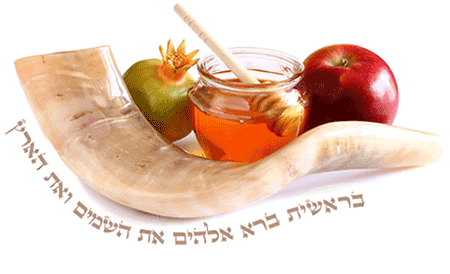
In short, following the trail of the MT’s version, we get a ram that represents Israel’s future sins, and the solution is to blow on the ram’s horn, to remind God of the Akedah, and bring about sympathy and redemption. The other version, the “one ram,” leads to the creation of this special creature at the beginning of time, and the sacrifice of a ram on Rosh Hashanah as a reminder to God of the Akedah.
Either way, midrash sees a direct connection between the ram in the Akedah and the ritual service of Rosh Hashanah. It is hardly surprising then that the Akedah was chosen as the reading for the second day of Rosh Hashanah (b. Megillah 31a), and that it is a key part of the Zichronot (Remembrance) blessing of the musaf Amidah: וַעֲקֵדַת יִצְחָק לְזַרְעוֹ הַיּוֹם בְּרַחֲמִים תִּזְכּוֹר “And the binding of Isaac you should remember as mercy upon his descendants.”
TheTorah.com is a 501(c)(3) nonprofit organization.
We rely on the support of readers like you. Please support us.
Published
|
Last Updated
September 6, 2026
Previous in the Series
Next in the Series
Before you continue...
Thank you to all our readers who offered their year-end support.
Please help TheTorah.com get off to a strong start in 2025.
Footnotes

Prof. Rivka Ulmer is Professor of Jewish Studies at Bucknell University. She holds an M.A. in linguistics and a Dr. phil. In Jewish Studies from Johann Wolfgang Goethe-Universität, and was a postdoctoral fellow at HUC-JIR Cincinnati. She is the author of Sing and Rejoice, O daughter of Zion (Zechariah 2:14)- Studies in Pesiqta Rabbati (Brill 2026); A Bilingual Edition of Pesiqta Rabbati: 2 Vol. (De Gruyter, 2017, 2022); Righteous Giving to the Poor (with Moshe Ulmer; Gorgias, 2014); Egyptian Cultural Icons in Midrash (de Gruyter, 2009); A Synoptic Edition Of Pesiqta Rabbati (University Press of America, 2008 [repr]); Turmoil, Trauma, and Triumph: The Fettmilch Uprising in Frankfurt am Main According to Megillas Vintz (Yale 2023 [repr]); The Evil Eye in the Bible and in Rabbinic Literature (Ktav, 1994); Poetry of Rebecca (Lehrhaus, 1986). She is also the (co-)editor of many volumes, including multiple volumes of Proceedings of the Midrash Section, Society of Biblical Literature, and Discussing Cultural Influences: Text, Context, and Non-Text in Rabbinic Judaism (University Press of America, 2007). She also serves as the Chair of the Editorial Board, Judaism in Context Series (Gorgias Press) and was co-chair of the Midrash Section for the Society of Biblical Literature (2002-2023).
Essays on Related Topics: