


 Edit article
Series
Did They Fast on Tisha B’Av During the Second Temple Period?


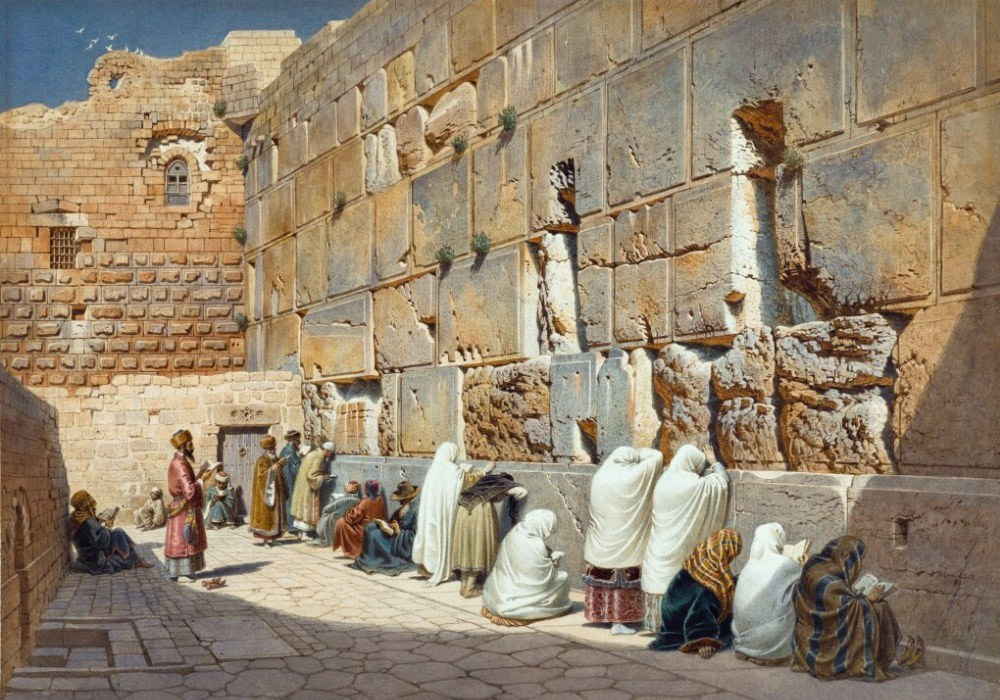
The Wailing Wall, Jerusalem, Carl Werner, 1879. Wikimedia
The final chapter of the book of Kings, which is repeated more or less verbatim in Jeremiah, narrates the destruction of Judah, noting dates for key incidents:
The siege began on the 10th day of the 10th month (Tevet), during the 9th year of Zedekiah’s reign (2 Kgs 25:1/Jer 52:4).
Jerusalem’s walls were breached on the 9th day [of the 4th month][1] (Tammuz), during the 11th year of Zedekiah’s reign (2 Kgs 25:3–4 / Jer 52:5–6).
The Temple was destroyed on the 7th or 10th of the 5th month (Av) that same year (2 Kgs 25:8 / Jer 52:12).
Gedaliah, the final Judahite governor, was assassinated during the 7th month (Tishrei), though neither the day nor the year is specified (2 Kgs 25:25 / Jer 41:1–2).[2]
During the exilic period, when Jerusalem was desolate, and the Temple lay in ruins, the book of Zechariah implies that the practice developed among some people to fast on (an unspecified day in) the fourth, fifth, seventh, and tenth months, to commemorate these key events. After the Persians allowed the Judeans to rebuild their city and Temple, and establish the polity of Yehud, the Judeans began to wonder whether it made sense to keep fasting on these days? This question is the theme of chapters 7–8 of Zechariah.
Asking the Question
When the Temple was being rebuilt in the early years of King Darius, ca. 519/518 B.C.E.,[3] Zechariah received a prophecy:
זכריה ז:אוַיְהִי בִּשְׁנַת אַרְבַּע לְדָרְיָוֶשׁ הַמֶּלֶךְ הָיָה דְבַר יְ־הֹוָה אֶל זְכַרְיָה בְּאַרְבָּעָה לַחֹדֶשׁ הַתְּשִׁעִי בְּכִסְלֵו.
Zech 7:1In the fourth year of King Darius, on the fourth day of the ninth month, Kislev, the word of YHWH came to Zechariah.[4]
Before we are told of the prophecy, we are given context, that two messengers had come to the priests and prophets to ask about whether the fast of the fifth month was to be kept:
זכריה ז:בוַיִּשְׁלַח בֵּית אֵל שַׂרְאֶצֶר וְרֶגֶם מֶלֶךְ וַאֲנָשָׁיו לְחַלּוֹת אֶת פְּנֵי יְ־הֹוָה. ז:גלֵאמֹר אֶל הַכֹּהֲנִים אֲשֶׁר לְבֵית יְ־הֹוָה צְבָאוֹת וְאֶל הַנְּבִיאִים לֵאמֹר הַאֶבְכֶּה בַּחֹדֶשׁ הַחֲמִשִׁי הִנָּזֵר כַּאֲשֶׁר עָשִׂיתִי זֶה כַּמֶּה שָׁנִים.
Zech 7:2 Bethel-sharezer and Regem-melech and his men sent to entreat the favor of YHWH, 7:3 to address the priests of the House of YHWH and the prophets saying: “Should I mourn and practice abstinence (=fasting) in the fifth month, as I have done for so many years?”
As noted, the fifth month (Av) is when the Temple was destroyed, 68 years earlier. Now that it was finally being rebuilt, the people are asking whether the practice of mourning and fasting in commemoration of this should be discontinued.
It appears that, up until this point, those who returned to the land following Cyrus’ declaration (Ezra 1:2–4) experienced many disappointments. Contrary to expectations, many did not return to the land, so the population was small (Ezra 2). Moreover, the country suffered from severe drought, and the harvest was meager (Zech 8:10). Finally, the rebuilding of the Temple had been delayed for years, until the time of Darius (Ezra 4:24).
It is not surprising, therefore, that the people may have questioned whether the construction of the Temple truly represented the fulfillment of the prophets’ words—that God would return to dwell in the rebuilt Temple and reestablish the divine presence among the people—the significance the people attached to abolishing the fast. Certainly, the building now under construction paled in comparison to what Ezekiel 40–48 envisioned, and people who had seen the first Temple were disappointed (Ezra 3:12–13).
By asking whether the fast of Av should continue to be observed, the people are asking the prophet how the historical reality ought to be understood—whether YHWH, whose Temple they were rebuilding, will again be present among them, which is what abolition of the fast would signify.
Zechariah’s rhetorical response here is surprising:
זכריה ז:ד וַיְהִי דְּבַר יְ־הֹוָה צְבָאוֹת אֵלַי לֵאמֹר. ז:ה אֱמֹר אֶל כׇּל עַם הָאָרֶץ וְאֶל הַכֹּהֲנִים לֵאמֹר כִּי צַמְתֶּם וְסָפוֹד בַּחֲמִישִׁי וּבַשְּׁבִיעִי וְזֶה שִׁבְעִים שָׁנָה הֲצוֹם צַמְתֻּנִי אָנִי. ז:ו וְכִי תֹאכְלוּ וְכִי תִשְׁתּוּ הֲלוֹא אַתֶּם הָאֹכְלִים וְאַתֶּם הַשֹּׁתִים.
Zech 7:4 Thereupon the word of YHWH of Hosts came to me: 7:5 Say to all the people of the land and to the priests: “When you fasted and lamented in the fifth and seventh months all these seventy years, did you fast for my benefit? 7:6 And when you eat and drink, who but you does the eating, and who but you does the drinking?”
First, the people are specifically asking about the fast of the fifth month, which is connected to the destruction of the Temple—ostensibly because it has just been rebuilt—but Zechariah adds to his response the fast of the seventh month, that associated with the assassination of Gedaliah. Second, Zechariah does not address the question posed to him. Instead, he notes that the fasting the people have done for the past sixty-plus years was not actually for YHWH.
He continues by announcing that he will now tell them what God actually said to the prophets of old, before Jerusalem was destroyed:
זכריה ז:ז הֲלוֹא אֶת הַדְּבָרִים אֲשֶׁר קָרָא יְ־הֹוָה בְּיַד הַנְּבִיאִים הָרִאשֹׁנִים בִּהְיוֹת יְרוּשָׁלַ͏ִם יֹשֶׁבֶת וּשְׁלֵוָה וְעָרֶיהָ סְבִיבֹתֶיהָ וְהַנֶּגֶב וְהַשְּׁפֵלָה יֹשֵׁב.
Zech 7:7 Look, this is the message that YHWH proclaimed through the earlier prophets, when Jerusalem and the towns about her were peopled and tranquil, when the Negeb and the Shephelah were peopled.
If the people's question about abolishing the fast of the Ninth of Av stems from the fulfillment of their aspiration to resume offering sacrifices in the newly built Temple, the prophetic response instead emphasizes the social dimension, namely, ethical requirements for a just and compassionate society:
זכריה ז:ח וַיְהִי דְּבַר יְ־הֹוָה אֶל זְכַרְיָה לֵאמֹר. ז:ט כֹּה אָמַר יְ־הֹוָה צְבָאוֹת לֵאמֹר מִשְׁפַּט אֱמֶת שְׁפֹטוּ וְחֶסֶד וְרַחֲמִים עֲשׂוּ אִישׁ אֶת אָחִיו. ז:י וְאַלְמָנָה וְיָתוֹם גֵּר וְעָנִי אַל תַּעֲשֹׁקוּ וְרָעַת אִישׁ אָחִיו אַל תַּחְשְׁבוּ בִּלְבַבְכֶם.
Zech 7:8 And the word of YHWH came to Zechariah: 7:9 Thus said YHWH of Hosts: Execute true justice; deal loyally and compassionately with one another. 7:10 Do not defraud the widow, the orphan, the stranger, and the poor; and do not plot evil against one another.
But, Zechariah says, the people of Judah did not listen to these requirements, even though YHWH sent prophets to warn them about this:
זכריה ז:יא וַיְמָאֲנוּ לְהַקְשִׁיב וַיִּתְּנוּ כָתֵף סֹרָרֶת וְאׇזְנֵיהֶם הִכְבִּידוּ מִשְּׁמוֹעַ. ז:יב וְלִבָּם שָׂמוּ שָׁמִיר מִשְּׁמוֹעַ אֶת הַתּוֹרָה וְאֶת הַדְּבָרִים אֲשֶׁר שָׁלַח יְ־הֹוָה צְבָאוֹת בְּרוּחוֹ בְּיַד הַנְּבִיאִים הָרִאשֹׁנִים וַיְהִי קֶצֶף גָּדוֹל מֵאֵת יְ־הֹוָה צְבָאוֹת.
Zech 7:11 But they refused to pay heed. They presented a balky back and turned a deaf ear. 7:12 They hardened their hearts like adamant against heeding the instruction and admonition that YHWH of Hosts sent to them by divine spirit through the earlier prophets; and a terrible wrath issued from YHWH of Hosts.
Therefore, YHWH decided to punish the people of Judah by exiling them from their land:
זכריה ז:יגוַיְהִי כַאֲשֶׁר קָרָא וְלֹא שָׁמֵעוּ כֵּן יִקְרְאוּ וְלֹא אֶשְׁמָע אָמַר יְ־הֹוָה צְבָאוֹת. ז:יד וְאֵסָעֲרֵם עַל כׇּל הַגּוֹיִם אֲשֶׁר לֹא יְדָעוּם וְהָאָרֶץ נָשַׁמָּה אַחֲרֵיהֶם מֵעֹבֵר וּמִשָּׁב וַיָּשִׂימוּ אֶרֶץ חֶמְדָּה לְשַׁמָּה.
Zech 7:13 “Even as they were called and they would not listen, so let them call and I will not listen,” said YHWH of Hosts. 7:14 I dispersed them among all those nations that they had not known, and the land was left behind them desolate, without any who came and went. They caused a delightful land to be turned into a desolation.
This is likely why Zechariah singles out the fast of the seventh month—Tzom Gedaliah. Unlike the fasts of the tenth, fourth, and fifth months, which mark successive stages in the Temple’s destruction at the hands of an external enemy, this fast commemorates a killing that took place after the destruction, at Mizpah rather than Jerusalem—an act perpetrated by Judeans against their own governor. It thus memorializes not the loss of the Temple but an internal, social crime, the very kind of ethical failure among the people that Zechariah’s oracle condemns.
The fast was instituted because, in the consciousness of the remnant that remained in Judah, Gedaliah’s murder extinguished their last hope of inheriting the land.[5] Moreover, the murder, which was a grave act in its own right, also reflected the social divisions that prevailed in Judah after the destruction. Thus, from the beginning of his response, Zechariah is signaling how the Judeans continue to violate ethical, social norms, the very behavior that led to their downfall decades earlier.
Zechariah’s Seven Oracles About the Future
Thus far, Zechariah’s response is quite negative, reminding the people why YHWH destroyed Judah, implying that things have not really changed yet. But next, before answering their question directly, Zechariah quotes seven messages from YHWH about future reconciliation, all beginning with כֹּה אָמַר יְ־הֹוָה “thus said YHWH.” Most of these are quite pithy:
1. Jealousy—The first message expresses that while YHWH has been furious with the people of Judah, YHWH’s intense passion for the people has not been diminished:
זכריה ח:א וַיְהִי דְּבַר יְ־הֹוָה צְבָאוֹת לֵאמֹר. ח:בכֹּה אָמַר יְ־הֹוָה צְבָאוֹת קִנֵּאתִי לְצִיּוֹן קִנְאָה גְדוֹלָה וְחֵמָה גְדוֹלָה קִנֵּאתִי לָהּ.
Zech 8:1 The word of YHWH of Hosts came [to me]: 8:2 Thus said YHWH of Hosts: “I am very jealous for Zion, I am fiercely jealous for her.”
2. YHWH Will Return—The second message promises that YHWH will once again dwell in Jerusalem amidst the people:
זכריה ח:גכֹּה אָמַר יְ־הֹוָה שַׁבְתִּי אֶל צִיּוֹן וְשָׁכַנְתִּי בְּתוֹךְ יְרוּשָׁלָ͏ִם וְנִקְרְאָה יְרוּשָׁלַ͏ִם עִיר הָאֱמֶת וְהַר יְ־הֹוָה צְבָאוֹת הַר הַקֹּדֶשׁ.
Zech 8:3 Thus said YHWH: I have returned to Zion, and I will dwell in Jerusalem. Jerusalem will be called the City of Faithfulness, and the mount of YHWH of Hosts the Holy Mount.
3. Teaming with Life—Now Zechariah conveys to the people that YHWH promises a reality altogether different from the dreary one in which they are living—a reality in which the streets of Jerusalem teem with life:
זכריה ח:דכֹּה אָמַר יְ־הֹוָה צְבָאוֹת עֹד יֵשְׁבוּ זְקֵנִים וּזְקֵנוֹת בִּרְחֹבוֹת יְרוּשָׁלָ͏ִם וְאִישׁ מִשְׁעַנְתּוֹ בְּיָדוֹ מֵרֹב יָמִים. ח:ה וּרְחֹבוֹת הָעִיר יִמָּלְאוּ יְלָדִים וִילָדוֹת מְשַׂחֲקִים בִּרְחֹבֹתֶיהָ.
Zech 8:4 Thus said YHWH of Hosts: There shall yet be elderly men and women in the squares of Jerusalem, each with staff in hand because of their great age. 8:5 And the squares of the city shall be crowded with boys and girls playing in the squares.
4. YHWH’s Omnipotence—Interrupting his description of the future restoration, Zechariah reminds the people that YHWH is omnipotent, so as impossible as the promise seems, for YHWH, it is doable:
זכריה ח:וכֹּה אָמַר יְ־הֹוָה צְבָאוֹת כִּי יִפָּלֵא בְּעֵינֵי שְׁאֵרִית הָעָם הַזֶּה בַּיָּמִים הָהֵם גַּם בְּעֵינַי יִפָּלֵא נְאֻם יְ־הֹוָה צְבָאוֹת.
Zech 8:6 Thus said YHWH of Hosts: Though it will seem impossible to the remnant of this people in those days, shall it also be impossible to Me?—declares YHWH of Hosts.
5. Ingathering of Exiles—Returning to the theme, YHWH promises that Judeans living in every direction, i.e., those who escaped to Egypt in the west or were brought to Babylon in the east, will return to Jerusalem en masse:
זכריה ח:זכֹּה אָמַר יְ־הֹוָה צְבָאוֹת הִנְנִי מוֹשִׁיעַ אֶת עַמִּי מֵאֶרֶץ מִזְרָח וּמֵאֶרֶץ מְבוֹא הַשָּׁמֶשׁ. ח:חוְהֵבֵאתִי אֹתָם וְשָׁכְנוּ בְּתוֹךְ יְרוּשָׁלָ͏ִם וְהָיוּ לִי לְעָם וַאֲנִי אֶהְיֶה לָהֶם לֵאלֹהִים בֶּאֱמֶת וּבִצְדָקָה.
Zech 8:7 Thus said YHWH of Hosts: I will rescue My people from the lands of the east and from the lands of the west, 8:8 and I will bring them home to dwell in Jerusalem. They shall be My people, and I will be their God—in truth and sincerity.
6. Total Change—Zechariah’s next oracle is much longer than the previous ones, and describes a complete change in Judah’s situation, now that the Temple is being rebuilt:
זכריה ח:טכֹּה אָמַר יְ־הֹוָה צְבָאוֹת תֶּחֱזַקְנָה יְדֵיכֶם הַשֹּׁמְעִים בַּיָּמִים הָאֵלֶּה אֵת הַדְּבָרִים הָאֵלֶּה מִפִּי הַנְּבִיאִים אֲשֶׁר בְּיוֹם יֻסַּד בֵּית יְ־הֹוָה צְבָאוֹת הַהֵיכָל לְהִבָּנוֹת.
Zech 8:9 Thus said YHWH of Hosts: Take courage, you who now hear these words that the prophets spoke when the foundations were laid for the rebuilding of the Temple, the House of YHWH of Hosts.
Before the rebuilding began, the local economy was entirely depressed, and people lived in an “every man for himself” mentality:
זכריה ח:יכִּי לִפְנֵי הַיָּמִים הָהֵם שְׂכַר הָאָדָם לֹא נִהְיָה וּשְׂכַר הַבְּהֵמָה אֵינֶנָּה וְלַיּוֹצֵא וְלַבָּא אֵין שָׁלוֹם מִן הַצָּר וַאֲשַׁלַּח אֶת כׇּל הָאָדָם אִישׁ בְּרֵעֵהוּ.
Zech 8:10 For before that time, the earnings from labor were nil, and profits from livestock were nothing. It was not safe to go about one’s business on account of enemies; and I set every person against someone else.
With the new age of YHWH’s return to the Temple approaching, the crops will flourish and the fortune of the Judeans will turn:
זכריה ח:יאוְעַתָּה לֹא כַיָּמִים הָרִאשֹׁנִים אֲנִי לִשְׁאֵרִית הָעָם הַזֶּה נְאֻם יְ־הֹוָה צְבָאוֹת. ח:יבכִּי זֶרַע הַשָּׁלוֹם הַגֶּפֶן תִּתֵּן פִּרְיָהּ וְהָאָרֶץ תִּתֵּן אֶת יְבוּלָהּ וְהַשָּׁמַיִם יִתְּנוּ טַלָּם וְהִנְחַלְתִּי אֶת שְׁאֵרִית הָעָם הַזֶּה אֶת כׇּל אֵלֶּה.
Zech 8:11 But now I will not treat the remnant of this people as before—declares GOD of Hosts—8:12 but what it sows shall prosper: The vine shall produce its fruit, the ground shall produce its yield, and the skies shall provide their moisture. I will bestow all these things upon the remnant of this people.
The oracle ends with a direct comparison, highlighting that Judah is going to flip from curse to blessing:
זכריה ח:יגוְהָיָה כַּאֲשֶׁר הֱיִיתֶם קְלָלָה בַּגּוֹיִם בֵּית יְהוּדָה וּבֵית יִשְׂרָאֵל כֵּן אוֹשִׁיעַ אֶתְכֶם וִהְיִיתֶם בְּרָכָה אַל תִּירָאוּ תֶּחֱזַקְנָה יְדֵיכֶם.
Zech 8:13 And just as you were a curse among the nations, O House of Judah and House of Israel, so, when I vindicate you, you shall become a blessing. Have no fear; take courage!
7. The Positive Future Is Guaranteed—The final oracle promises again that this positive future will certainly come about:
זכריה ח:ידכִּי כֹה אָמַר יְ־הֹוָה צְבָאוֹת כַּאֲשֶׁר זָמַמְתִּי לְהָרַע לָכֶם בְּהַקְצִיף אֲבֹתֵיכֶם אֹתִי אָמַר יְ־הֹוָה צְבָאוֹת וְלֹא נִחָמְתִּי. ח:טו כֵּן שַׁבְתִּי זָמַמְתִּי בַּיָּמִים הָאֵלֶּה לְהֵיטִיב אֶת יְרוּשָׁלַ͏ִם וְאֶת בֵּית יְהוּדָה אַל תִּירָאוּ.
Zech 8:14 For thus said YHWH of Hosts: Just as I planned to afflict you when your ancestors provoked Me to anger—said YHWH of Hosts— and did not relent 8:15 so, at this time, I have turned and planned to do good to Jerusalem and to the House of Judah. Have no fear!
…As Long as Your Behavior Improves
But now, at the end of the seventh oracle, Zechariah returns to the theme of his answer to the question about fasting. The change in Judah’s fortune will occur together with a change in their social conduct, when the people mend their ways and cast off the social injustices that YHWH despises:
זכריה ח:טזאֵלֶּה הַדְּבָרִים אֲשֶׁר תַּעֲשׂוּ דַּבְּרוּ אֱמֶת אִישׁ אֶת רֵעֵהוּ אֱמֶת וּמִשְׁפַּט שָׁלוֹם שִׁפְטוּ בְּשַׁעֲרֵיכֶם.ח:יז וְאִישׁ אֶת רָעַת רֵעֵהוּ אַל תַּחְשְׁבוּ בִּלְבַבְכֶם וּשְׁבֻעַת שֶׁקֶר אַל תֶּאֱהָבוּ כִּי אֶת כׇּל אֵלֶּה אֲשֶׁר שָׂנֵאתִי נְאֻם יְ־הֹוָה.
Zech 8:16 These are the things you are to do: Speak the truth to one another, render true and perfect justice in your gates. 8:17 And do not contrive evil against one another, and do not love perjury, because all those are things that I hate—declares YHWH.
When read together with the other oracles, the point is that the change in Judah’s economic fortune can only transpire once the Temple is rebuilt, but only when Judea is a just society.
But What About the Fast Days?
How does the message of these seven oracles connect to the fasting question? Zechariah finally answers this in his next prophecy, introduced with the usual formula for a new set of oracles:
זכריה ח:יחוַיְהִי דְּבַר יְ־הֹוָה צְבָאוֹת אֵלַי לֵאמֹר.
Zech 8:18 And the word of YHWH of Hosts came to me, saying,
This time, the prophet has a more expansive answer:
זכריה ח:יטכֹּה אָמַר יְ־הֹוָה צְבָאוֹת צוֹם הָרְבִיעִי וְצוֹם הַחֲמִישִׁי וְצוֹם הַשְּׁבִיעִי וְצוֹם הָעֲשִׂירִי יִהְיֶה לְבֵית יְהוּדָה לְשָׂשׂוֹן וּלְשִׂמְחָה וּלְמֹעֲדִים טוֹבִים וְהָאֱמֶת וְהַשָּׁלוֹם אֱהָבוּ.
Zech 8:19 Thus says YHWH of hosts: “The fast of the fourth month, and the fast of the fifth, and the fast of the seventh, and the fast of the tenth shall be seasons of joy and gladness and cheerful festivals for the house of Judah; therefore love truth and peace.”
Here the people receive a straightforward answer to their question, at some undetermined time in the future, with Jerusalem and its Temple restored, not only should the people not fast, but they should celebrate. This oracle, written in the future tense, suggests that the time for this change had not yet arrived. Despite the Temple being rebuilt, the Judeans should wait until this future time before turning their fasts into festivals.
The change in Judah’s fortunes will be the sign that the society has become just, and YHWH has fully forgiven them for the behavior that brought about the destruction. The implication is that until this longed-for change comes about, the people—who, during the construction of the Second Temple, had still not mended their ways—may not abolish the fasts.
A Vision for the Future
Zechariah continues with a vision for what role the Temple can play in the new world order:
זכריה ח:ככֹּה אָמַר יְ־הֹוָה צְבָאוֹת עֹד אֲשֶׁר יָבֹאוּ עַמִּים וְיֹשְׁבֵי עָרִים רַבּוֹת.ח:כאוְהָלְכוּ יוֹשְׁבֵי אַחַת אֶל אַחַת לֵאמֹר נֵלְכָה הָלוֹךְ לְחַלּוֹת אֶת פְּנֵי יְ־הֹוָה וּלְבַקֵּשׁ אֶת יְ־הֹוָה צְבָאוֹת אֵלְכָה גַּם אָנִי.ח:כבוּבָאוּ עַמִּים רַבִּים וְגוֹיִם עֲצוּמִים לְבַקֵּשׁ אֶת יְ־הֹוָה צְבָאוֹת בִּירוּשָׁלָ͏ִם וּלְחַלּוֹת אֶת פְּנֵי יְ־הֹוָה.
Zech 8:20 Thus said YHWH of Hosts: Peoples and the inhabitants of many cities shall yet come—8:21 the inhabitants of one shall go to the other and say, “Let us go and entreat the favor of YHWH, let us seek YHWH of Hosts; I will go, too.” 8:23 The many peoples and the multitude of nations shall come to seek YHWH of Hosts in Jerusalem and to entreat the favor of YHWH.
Judah will, at this point, be such a blessed land that peoples from all over will come to worship YHWH, in hope of receiving some of this blessing. Then, in his final oracle,[6] Zechariah takes this vision further, imagining gentiles literally taking Jews by the hand in hope of their receiving divine favor:
זכריה ח:כגכֹּה אָמַר יְ־הֹוָה צְבָאוֹת בַּיָּמִים הָהֵמָּה אֲשֶׁר יַחֲזִיקוּ עֲשָׂרָה אֲנָשִׁים מִכֹּל לְשֹׁנוֹת הַגּוֹיִם וְהֶחֱזִיקוּ בִּכְנַף אִישׁ יְהוּדִי לֵאמֹר נֵלְכָה עִמָּכֶם כִּי שָׁמַעְנוּ אֱלֹהִים עִמָּכֶם.
Zech 8:23 Thus said YHWH of Hosts: In those days, ten people from nations of every tongue will take hold—they will take hold of every Jew by a corner of their cloak and say, “Let us go with you, for we have heard that God is with you.”
Read as a unit, starting from the original question about fasting and ending here, we understand that prosperity is based on the ethical behavior of the Judeans. YHWH is giving them another chance by allowing the rebuilding of the Temple and returning to dwell among them.
Thus, according to Zechariah, YHWH promises that someday Judah will end up prosperous and a model society, the envy of the nations, but when this will transpire is up to the people. The people have not yet reached that destination, and the fasts should continue as they were. Only when the crops will be plentiful, and the people will live happily and justly, the fast days—once bitter memorials to what they lost—will be days of celebration.
Did They Ever Stop Fasting?
The only biblical reference to the four fasts is the passage in Zechariah, and it implies that, at least during the period of the rebuilding, some people did fast. What happened in the centuries following? Did the people cease fasting over the destruction of the First Temple after the completion of the Second Temple, and throughout the years of its existence?
We have no conclusive evidence on this question,[7] but the question is discussed in rabbinic literature in the context of the Wood Festival, which is first mentioned in the Second Temple book Ezra-Nehemiah:
נחמיה י:לה וְהַגּוֹרָלוֹת הִפַּלְנוּ עַל קֻרְבַּן הָעֵצִים הַכֹּהֲנִים הַלְוִיִּם וְהָעָם לְהָבִיא לְבֵית אֱלֹהֵינוּ לְבֵית אֲבֹתֵינוּ לְעִתִּים מְזֻמָּנִים שָׁנָה בְשָׁנָה לְבַעֵר עַל מִזְבַּח יְ־הוָה אֱלֹהֵינוּ כַּכָּתוּב בַּתּוֹרָה.
Neh 10:35 We have cast lots [among] the priests, the Levites, and the people, to bring the wood offering to the house of our God by clan annually at set times in order to provide fuel for the altar of YHWH our God, as is written in the Torah.[8]
When is the time for this festival? The Hasmonean period Megillat Taʿanit—which lists celebratory days on the calendar when it is forbidden to fast and eulogize—lists the 15th of Av as the date for this festival:
מגילת תענית בחמישה עשר באב זמן אעי כהניא ודלא למספד בהון.[9]
Megillat Taʿanit On the fifteenth of Av is the time of the wood for the priests, it is forbidden to eulogize on it.
The ancient commentary on Megillat Taʿanit known as the scholion,[10] offers a gloss according to which, the celebration was originally not on the 15th of Av, but on the 9th:
מגילת תענית, סכוליון פ' מפני שכשעלתה גולה בראשונה התקינו להם את יום תשעה באב שיהו מביאין בו קרבן עצים.
Megillat Taʿanit Scholion (Parma) Because, when the exiles first returned to the land, they instituted that on the 9th of Av, though would bring the wood offering.
אמרו חכמים: כשיעלו למחר גלויות יהיו אף הן צריכין. התקינו להם את יום חמישה עשר באב שיהו מביאין בו קרבו עצים.
The Sages said: “When in the future, other exiles will return, they will also need to. For them, they instituted the 15th of Av for bringing the wood offering.”
The Tosefta (3rd cent. C.E.) states explicitly that the ninth of Av was at least one of the days for the wood festival:
תוספתא בכורים ב:ט זמן עצי הכהני[ם] והעם בתשעה {באב}...
t. Bikkurim 2:9 The time for [bringing] the wood for the priests is on the ninth {of Av}…[11]
As the wood festival was celebratory,[12] this source implies that they would not be fasting on the fifth month [the 9th of Av].[13] The content of this festival was the very opposite of the reason for the fast. Instead of mourning the destruction, the day now centered on public celebrations connected with the Temple, in which all segments of the people participated.[14]
Not Fasting Post Destruction of the Second Temple
The Babylonian Talmud records a surprising tradition that Rabbi Judah HaNasi (late 2nd/early 3rd cent. C.E.) objected to the prohibitions of working on Purim, bathing on the seventeenth of Tammuz, and he wanted to cancel Tisha B’Av altogether:
בבלי מגילה ה.–ה: אָמַר רַבִּי אֶלְעָזָר אָמַר רַבִּי חֲנִינָא: "רַבִּי נָטַע נְטִיעָה בְּפוּרִים וְרָחַץ בִּקְרוֹנָהּ שֶׁל צִפּוֹרִי בְּשִׁבְעָה עָשָׂר בְּתַמּוּז וּבִקֵּשׁ לַעֲקוֹר תִּשְׁעָה בְּאָב וְלֹא הוֹדוּ לוֹ."
b. Meg 5a–b Rabbi Elazar said that Rabbi Hanina said: “Rabbi [Judah HaNasi] planted a sapling on Purim, and washed in the spring (κρήνη) of Sepphoris on the 17th of Tammuz, and tried to cancel Tisha B’Av, but they (=the other sages) did not defer to him.”
While his first two changes become standard Jewish practice, the latter is certainly not. Indeed, the Talmud goes on to say that this last is not accurate, and that Rabbi Judah HaNasi only tried to cancel the day one particular year, when Tisha B’Av fell out on a Shabbat, because he believed that once a fast is cancelled, it is cancelled, and there is no need to compensate for it on the following Sunday. Nevertheless, the first phrasing implies that he wanted to cancel the day entirely.[15] In that, Rabbi Judah HaNasi was echoing the much older trend, from the Second Temple period, that Tisha B’Av was the joyous day for the Wood Festival and not a fast day at all.
TheTorah.com is a 501(c)(3) nonprofit organization.
We rely on the support of readers like you. Please support us.
Published
July 21, 2026
|
Last Updated
October 7, 2026
Previous in the Series
Next in the Series
Before you continue...
Thank you to all our readers who offered their year-end support.
Please help TheTorah.com get off to a strong start in 2025.
Footnotes


Prof. Tova Ganzel is an Associate Professor in the Multidisciplinary Department of Jewish Studies and serves as the head of Olamot, the School of Jewish and Israeli Culture, at Bar-Ilan University. Within the Multidisciplinary Department, she founded the Cramim Honors Program in Jewish Studies. Her research focuses on the Hebrew Bible within the broader context of the ancient Near Eastern world, with special emphasis on prophetic literature and temple-centered communities, and also explores the Book of Ezekiel in light of Neo-Babylonian culture, and the temple and its community during the Persian period, especially in the books of Ezra and Nehemiah. Her work also examines the development of biblical criticism in Jewish thought from the eighteenth century onward, and the role of women as Halakhic professionals.
Essays on Related Topics: