


 Edit article
Series
Shabbat, “the Promised Land”


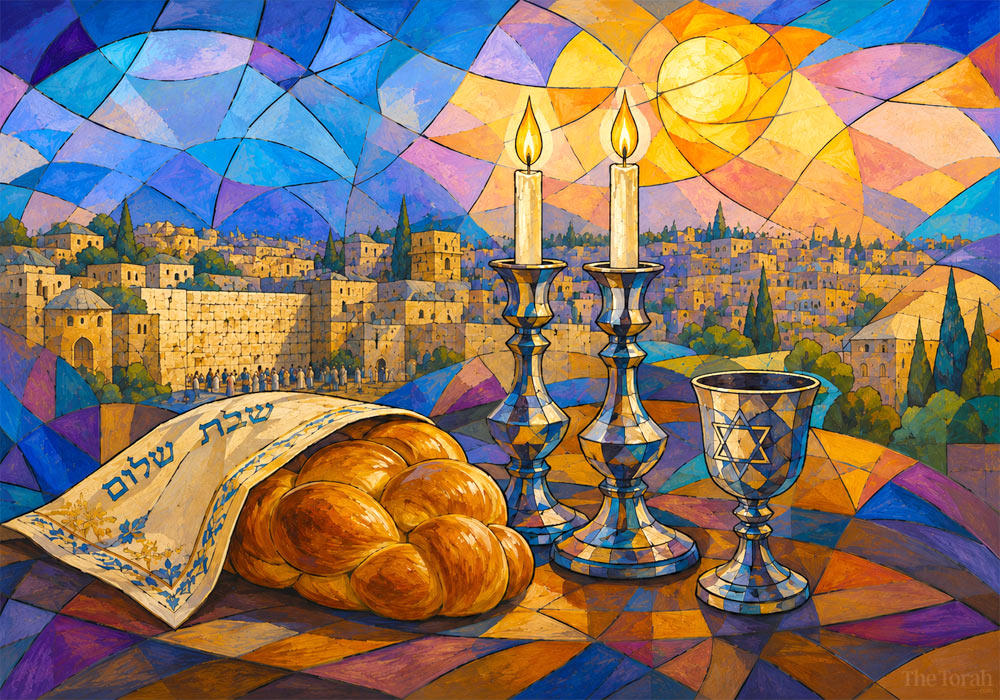
© TheTorah.com
In his farewell address in Deuteronomy, Moses refers to the promised land as follows:
דברים יב:ט כִּי לֹא בָאתֶם עַד עָתָּה אֶל הַמְּנוּחָה וְאֶל הַנַּחֲלָה אֲשֶׁר יְ־הֹוָה אֱלֹהֶיךָ נֹתֵן לָךְ.
Deut 12:9 because you have not yet come to the resting-place and heritage-land that YHWH your God is giving you.[1]
Verbs from the same roots as those nouns also appear in the very next verse:
דברים יב:י וַעֲבַרְתֶּם אֶת הַיַּרְדֵּן וִישַׁבְתֶּם בָּאָרֶץ אֲשֶׁר יְ־הֹוָה אֱלֹהֵיכֶם מַנְחִיל אֶתְכֶם וְהֵנִיחַ לָכֶם מִכׇּל אֹיְבֵיכֶם מִסָּבִיב וִישַׁבְתֶּם בֶּטַח...
Deut 12:10 When you cross the Jordan and settle in the land that YHWH your God is giving-as-a-heritage-land to you and he gives-rest to you from all your enemies round about and you live in security…
These two terms highlight different, but equally important, aspects of the promised land.
Rest – A Place, Not a State of Being
The abstract noun מְנוּחָה, menuchah, means “rest,”[2] but far more often in the Bible it is used with the concrete meaning, “a resting place.” Moses also uses the term earlier on in the Israelites’ wandering:
במדבר י:לג וַיִּסְעוּ מֵהַר יְ־הֹוָה דֶּרֶךְ שְׁלֹשֶׁת יָמִים וַאֲרוֹן בְּרִית יְ־הֹוָה נֹסֵעַ לִפְנֵיהֶם דֶּרֶךְ שְׁלֹשֶׁת יָמִים לָתוּר לָהֶם מְנוּחָה.
Num 10:33 They marched from the mountain of YHWH a distance of three days. The Ark of the Covenant of YHWH traveled in front of them on that three days’ journey to seek out a resting-place for them.
That place, of course, is the land of Israel. The promised land is referred to as a מְנוּחָה again in Psalms, when God recalls castigating the Israelites for their recalcitrant behavior during the years of wandering in the wilderness:
תהילים צה:׳ אַרְבָּעִים שָׁנָה אָקוּט בְּדוֹר וָאֹמַר עַם תֹּעֵי לֵבָב הֵם וְהֵם לֹא יָדְעוּ דְרָכָי. צה:יא אֲשֶׁר נִשְׁבַּעְתִּי בְאַפִּי אִם יְבֹאוּן אֶל מְנוּחָתִי.
Ps 95:10 Forty years I was provoked by that generation; I thought, “They are a senseless people, they would not know My ways.” 95:11 Concerning them I swore in anger, “They shall never come to my resting-place!”[3]
Thanking God for a Resting Place
When King Solomon dedicates the Temple, he thanks YHWH for having granted מְנוּחָה, menuchah, to the people Israel—the safe haven of the land, now complete with its central place of worship:
מלכים א ח:נד וַיְהִי כְּכַלּוֹת שְׁלֹמֹה לְהִתְפַּלֵּל אֶל יְ־הֹוָה אֵת כׇּל הַתְּפִלָּה וְהַתְּחִנָּה הַזֹּאת קָם מִלִּפְנֵי מִזְבַּח יְ־הֹוָה מִכְּרֹעַ עַל בִּרְכָּיו וְכַפָּיו פְּרֻשׂוֹת הַשָּׁמָיִם. ח:נה וַיַּעֲמֹד וַיְבָרֶךְ אֵת כׇּל קְהַל יִשְׂרָאֵל קוֹל גָּדוֹל לֵאמֹר. ח:נו בָּרוּךְ יְ־הֹוָה אֲשֶׁר נָתַן מְנוּחָה לְעַמּוֹ יִשְׂרָאֵל כְּכֹל אֲשֶׁר דִּבֵּר לֹא נָפַל דָּבָר אֶחָד מִכֹּל דְּבָרוֹ הַטּוֹב אֲשֶׁר דִּבֶּר בְּיַד מֹשֶׁה עַבְדּוֹ. ח:נז יְהִי יְ־הֹוָה אֱלֹהֵינוּ עִמָּנוּ כַּאֲשֶׁר הָיָה עִם אֲבֹתֵינוּ אַל יַעַזְבֵנוּ וְאַל יִטְּשֵׁנוּ.
1Kgs 8:54 When Solomon finished offering to YHWH all this prayer and supplication, he rose from where he had been kneeling, in front of the altar of YHWH, his hands spread toward heaven. 8:55 He stood, and in a loud voice blessed the whole congregation of Israel: 8:56 “Praised be YHWH who has granted a resting-place to His people Israel, just as He promised; not a single word has failed of all the gracious promises that He made through His servant Moses. 8:57 May YHWH our God be with us, as He was with our fathers. May He never abandon or forsake us.”
The מְנוּחָה for which Solomon is grateful is not an abstract situation but a physical place, a protected resting-place for a wandering, endangered people.
Heritage Landholding
The term נַחֲלָה, nachalah, refers to one’s ancestral landholding, a “heritage landholding” shared among heirs of its previous owner.[4] The primary form of wealth in biblical Israel was one’s family estate, operated by a male head of household, a land trust inherited from previous generations and held in trust for future generations of the family.
Canaan, the Promised Landholding
The Israelites receive the land from which Canaanite peoples are dispossessed as a collective, national נַחֲלָה:
במדבר לד:א וַיְדַבֵּר יְ־הֹוָה אֶל מֹשֶׁה לֵּאמֹר. לד:ב צַו אֶת בְּנֵי יִשְׂרָאֵל וְאָמַרְתָּ אֲלֵהֶם כִּי־אַתֶּם בָּאִים אֶל הָאָרֶץ כְּנָעַן זֹאת הָאָרֶץ אֲשֶׁר תִּפֹּל לָכֶם בְּנַחֲלָה אֶרֶץ כְּנַעַן לִגְבֻלֹתֶיהָ.
Num 34:1 YHWH spoke to Moses, saying: 34:2 Instruct the Israelite people and say to them: When you enter the land of Canaan, this is the land that shall fall to you as a heritage-landholding, the land of Canaan with its various boundaries.[5]
Tribal and Family Landholding
Additionally, several passages describe the future apportionment of land in Canaan to the tribes of Israel as the assignment to each tribe of a נַחֲלָה, and the portion assigned to an individual family estate is also designated by the same term. For example, in the explanation by the daughters of Zelophehad of what happens when daughters without brothers are not granted their father’s landholding upon his death, the term refers sometimes to the tribe’s landholdings and sometimes to an individual family’s share:
במדבר לו:ג וְהָיוּ לְאֶחָד מִבְּנֵי שִׁבְטֵי בְנֵי יִשְׂרָאֵל לְנָשִׁים וְנִגְרְעָה נַחֲלָתָן מִנַּחֲלַת אֲבֹתֵינוּ וְנוֹסַף עַל נַחֲלַת הַמַּטֶּה אֲשֶׁר תִּהְיֶינָה לָהֶם וּמִגֹּרַל נַחֲלָתֵנוּ יִגָּרֵעַ. לו:ד וְאִם יִהְיֶה הַיֹּבֵל לִבְנֵי יִשְׂרָאֵל וְנוֹסְפָה נַחֲלָתָן עַל נַחֲלַת הַמַּטֶּה אֲשֶׁר תִּהְיֶינָה לָהֶם וּמִנַּחֲלַת מַטֵּה אֲבֹתֵינוּ יִגָּרַע נַחֲלָתָן.
Num 36:3 Now, if they marry persons from another Israelite tribe, their nachalah will be cut off from the nachalah of our fathers and be added into the nachalah of the tribe into which they marry; thus our nachalah will be diminished. 36:4 And even when the Israelites observe the jubilee, their nachalah will be added to the nachalah of the tribe into which they marry, and their nachalah will be cut off from the nachalah of our ancestral tribe.[6]
Two Terms, One Idea: Rest Requires Land
In the passage in Deuteronomy with which we began our inquiry, the unique noun combination מְנוּחָה, “resting-place” and נַחֲלָה, “heritage-land,” denotes one concept—a hendiadys, the term for a single idea expressed in two words joined by a conjunction. (Think of “sick and tired,” a phrase that describes neither illness nor fatigue.)[7]
The pairing implies that a person is truly at rest only when living on the ancestral land, the land that is inalienably home. Anywhere else you live might turn out to be temporary. Some contemporary translators strive to capture this combination with phrases such as “allotted haven” (NJPS) or “abiding haven” (Robert Alter)[8] instead of using a pair of terms (e.g., NRSV’s “the rest and the possession”) that fail to capture the nature of the concept formed by the pairing.
The two terms appear as a pair nowhere else in the Bible. That does not mean, however, that as a pair they then disappear from Jewish literature. That pair does reappear, but it refers, strikingly, to something quite different.
Shabbat as a Portable “Landholding”
On several occasions, the Jewish liturgical tradition describes Shabbat as a day of מְנוּחָה, menuḥah. In that context, the term is no longer a spatial designation but an abstraction. For example, in the opening of the Amidah (“standing” prayer) recited during the Shabbat afternoon service:
שבת עמידה אַתָּה אֶחָד וְשִׁמְךָ אֶחָד וּמִי כְּעַמְּךָ יִשְׂרָאֵל גּוֹי אֶחָד בָּאָרֶץ. תִּפְאֶרֶת גְּדֻלָּה וַעֲטֶרֶת יְשׁוּעָה יוֹם מְנוּחָה וּקְדֻשָּׁה לְעַמְּךָ נָתָתָּ.
Shabbat Amidah You are One, Your name is One, and who is like Your people Israel, unique throughout the world? Singular splendor, crown of salvation, a day of rest and sanctity you have given to Your people.[9]
Rest as Inheritance
The liturgy for Shabbat also contains, as part of the Amidah recited four times that day:
שבת עמידה...וְהַנְחִילֵנוּ יְהֹוָה אֱלֹהֵינוּ בְּאַהֲבָה וּבְרָצוֹן שַׁבָּת קָדְשֶׁךָ, וְיָנוּחוּ בָהּ כָּל יִשְׂרָאֵל מְקַדְּשֵׁי שְׁמֶךָ.
Shabbat Amidah Lovingly and willingly, Adonai our God, grant-us-as-inheritance Your holy Shabbat, so that the people who hallow Your name will always find-rest on this day.
The two verbs used to describe the Israelites’ activities are those of the Deuteronomic pair, מְנוּחָה, menuchah, and נַחֲלָה, nachalah.
Another usage in the Shabbat liturgy pairs our two terms even more closely. The first blessing after the preliminary prayers on Shabbat morning, an extended version of the blessing Yotzer Or (“Creator of Light”), includes this request:
יוֹצֵר אוֹר לְפִיכָךְ יְפָאֲרוּ לָאֵל כָּל יְצוּרָיו, שֶׁבַח וִיקָר וּגְדֻלָּה וְכָבוֹד יִתְּנוּ לָאֵל מֶּלֶךְ יוֹצֵר כֹּל, הַמַּנְחִיל מְנוּחָה לְעַמּוֹ יִשְׂרָאֵל בְּיוֹם שַׁבַּת קֹדֶשׁ.
Yotzer Or So may all His creatures sing His praise, may they accord honor and greatness to God, Sovereign, Creator of all, who grants-as-inheritance rest to His people Israel in His holiness.
Here, one of the key terms is used as a verb, immediately followed by the other term as a noun—a very tight pairing.
Barukh ben Shemuel of Mainz, the 12th-to-13th-century author of the Shabbat song Barukh El ‘Elyon, a paean to Shabbat observance, makes use of the pair of terms, with the biblical order reversed, to name the benefit that accrues to the Shabbat observer:
ברוך אל עליון וְאַשְׁרֵי כָּל חוֹכֶה / לְתַשְׁלוּמֵי כֵפֶל
Baruch El Elyon Happy is anyone who waits for the double reward
מֵאֵת כֹּל סוֹכֶה / שׁוֹכֵן בָּעֲרָפֶל.
from the All-Seeing, who dwells in a dense cloud.
נַחֲלָה לוֹ יִזְכֶּה / בָּהָר וּבַשָּׁפֶל,
An inheritance he will merit on the mountain and in the valley,
נַחֲלָה וּמְנוּחָה / כַּשֶּׁמֶשׁ לוֹ זָרְחָה.
An inheritance and resting-place, like one for whom the sun shone.[10]
A Portable Haven
The difference between the biblical and liturgical pairings of “rest” and “inheritance/landholding” is stark and striking. In prayer, these terms do not refer to a family’s ancestral landholding or even the promised land as a whole. In fact, they no longer refer to land at all.
Instead, the core of the Jewish heritage, that which Jews receive from their ancestors and hold in trust for their descendants, is a holy day: the Shabbat. “Rest” is not relief from travel; it is respite from travail, in the root sense of that latter word: “work.”
From Shabbat Back to Israel
Abraham Joshua Heschel, in his classic book The Sabbath: Its Meaning for Modern Man, venerated holiness in time, and until late in life, Heschel paid little attention to the centrality of space—of the promised land—in Jewish thinking. In this he reflects the great trend of Jewish history ever since the destruction of the Second Temple.
With Jerusalem in ruins, Jewish sovereignty shattered, and masses of Jews leaving Eretz Yisrael, the sages of Judaism’s formative period needed a substitute for the ancestral territory. They found it not elsewhere in space but in something far more portable: the Jewish calendar. Sacredness could be encountered wherever one lived, they pointed out, not only in the Temple in Jerusalem.
As Heschel put it,
The higher goal of spiritual living is … to face sacred moments. In a religious experience, for example, it is not a thing that imposes itself on man but a spiritual presence. What is retained in the soul is the moment of insight rather than the place where the act came to pass. A moment of insight is a fortune, transporting us beyond the confines of measured time. Spiritual life begins to decay when we fail to sense the grandeur of what is eternal in time.[11]
Heschel’s insight helps us grasp the full significance of the use of a term from biblical Israel’s sacred precinct to describe the spiritual valence of Israel’s most sacred time, Shabbat.[12]
TheTorah.com is a 501(c)(3) nonprofit organization.
We rely on the support of readers like you. Please support us.
Published
July 27, 2026
|
Last Updated
September 29, 2026
Previous in the Series
Next in the Series
Before you continue...
Thank you to all our readers who offered their year-end support.
Please help TheTorah.com get off to a strong start in 2025.
Footnotes


Rabbi Peretz Rodman earned a B.A. and M.A. in Jewish studies at Brandeis University and a Bachelor of Hebrew Literature at Hebrew College. He was among the inaugural cohort of the Jerusalem Fellows, and later earned rabbinic ordination at the Schechter Rabbinical Seminary.
Essays on Related Topics: