


 Edit article
Series
The Suspected Adulteress Ordeal: A Ritual that Provokes YHWH


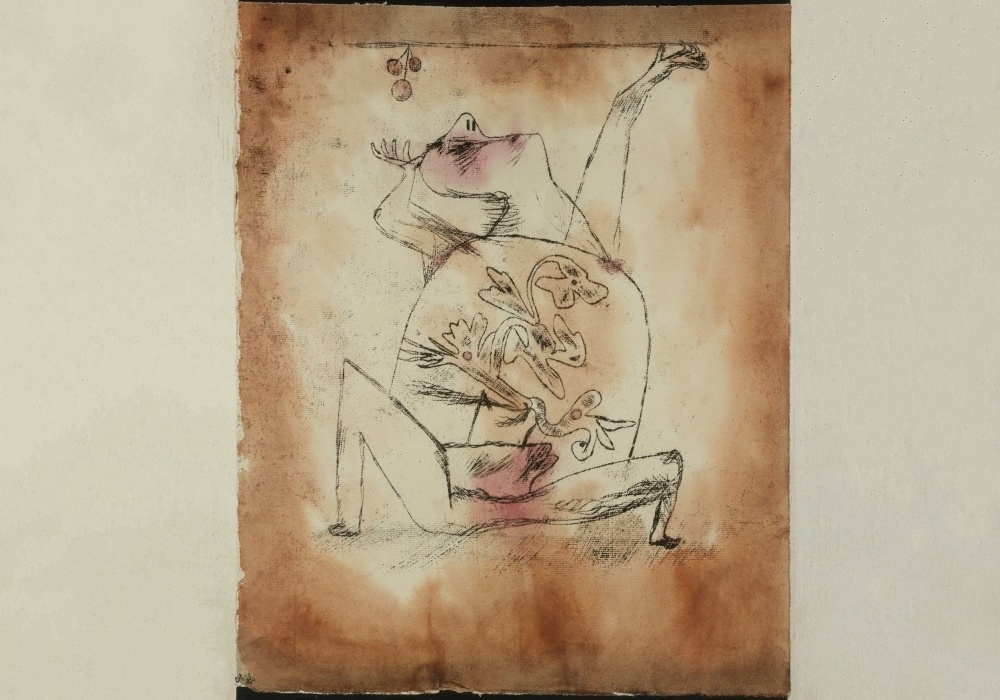
The Pathos of Fertility, Paul Klee, 1921. Metropolitan Museum, Wikimedia
In the sotah law (Num 5:11–31), YHWH stipulates that any husband who suspects his wife of adultery must bring her to his sanctuary, where a procedure will determine her innocence or guilt.[1] Although scholars typically assume that the husband can choose whether or not to initiate the procedure, the casuistic (if/then) structure of the law shows that he is obligated to do so.[2]
The “if” part of the law presents two scenarios in which a man has been “overcome by feelings of jealousy.” In the first, the woman has contracted impurity by engaging in sexual relations with another man, but there is no evidence to prove it:[3]
במדבר ה:יב ...אִישׁ אִישׁ כִּי תִשְׂטֶה אִשְׁתּוֹ וּמָעֲלָה בוֹ מָעַל. ה:יג וְשָׁכַב אִישׁ אֹתָהּ שִׁכְבַת זֶרַע וְנֶעְלַם מֵעֵינֵי אִישָׁהּ וְנִסְתְּרָה וְהִיא נִטְמָאָה וְעֵד אֵין בָּהּ וְהִוא לֹא נִתְפָּשָׂה. ה:יד וְעָבַר עָלָיו רוּחַ קִנְאָה וְקִנֵּא אֶת אִשְׁתּוֹ וְהִוא נִטְמָאָה...
Num 5:12b If a man’s wife strays and commits perjury against him 5:13 because a[nother] man had sex with her and this eluded her husband and she kept it secret while being impure and there were no witnesses against her and she wasn’t caught, 5:14a and he was overcome by a feeling of jealousy and became jealous about his wife while she made herself impure.[4]
In the second, the husband’s fears are unfounded:
במדבר ה:יד...אוֹ עָבַר עָלָיו רוּחַ קִנְאָה וְקִנֵּא אֶת אִשְׁתּוֹ וְהִיא לֹא נִטְמָאָה.
Num 5:14b Or if he was overcome by a feeling of jealousy and became jealous about his wife while she did not make herself impure.
In both cases, the husband is not fully in control of the circumstances: his jealousy is not willfully summoned, but rather עָבַר עָלָיו, “it comes upon him.”[5] If jealousy is felt, then the ritual must be performed:
במדבר ה:טו וְהֵבִיא הָאִישׁ אֶת אִשְׁתּוֹ אֶל הַכֹּהֵן....
Num 5:15a Then the husband shall bring his wife to the priest.
This obligation is not presented as a response to the husband’s desire to know the truth. No mention is made of a formal accusation or a decision to initiate prosecution.[6] In effect, the husband’s jealousy serves as a sentient “radar of impurity.” If this radar is activated, the trial must take place.
What is more, the text implies that failure to initiate the procedure results in the husband’s sin. The law’s recapitulation again emphasizes that a man should bring his wife forward regardless of whether he has grounds for his suspicions (vv. 29–30).[7] This time, however, the legislation adds an important detail:
במדבר ה:לא וְנִקָּה הָאִישׁ מֵעָוֹן וְהָאִשָּׁה הַהִוא תִּשָּׂא אֶת עֲוֹנָהּ.
Num 5:31 Thus the husband will be clear from guilt, while that woman [the guilty adulteress] shall bear her sin.
The husband’s exoneration is mentioned immediately after the statement recapitulating the performance of כָּל הַתּוֹרָה הַזֹּאת, “this whole procedure” (v. 30).[8] This suggests that he is relieved of obligation once the procedure has been carried out. In other words, if he wishes to avoid culpability, he must submit her to the ordeal.[9]
Unlike in Hammurabi, Adultery Is the Deity’s Concern
This law is markedly different from its counterpart in the Laws of Hammurabi, where the suspected wife undergoes an ordeal “for her husband”:
LH §132 If a man’s wife should have a finger pointed against her in accusation involving another male, although she has not been seized lying with another male, she shall submit to the divine River Ordeal for her husband.[10]
The Priestly authors of the sotah law emphasize that an adulterous woman has contracted impurity (וְהִיא נִטְמָאָה; v. 13)—the root ט.מ.א occurs eight times in the law—indicating that the problem of suspected adultery transcends the sphere of the family home.
In the law, YHWH demands that the suspected wife be brought before Him—effectively suspending the husband’s marital authority and reserving for Himself the right to determine her fate. YHWH takes matters into His own hands in order to prevent a far more serious outcome: the uncontrolled proliferation of concealed (sexual) impurity among the people who live around him. As the Priestly authors note elsewhere, such a situation would cause YHWH to abandon His earthly home:
ויקרא טו:לא וְהִזַּרְתֶּם אֶת בְּנֵי יִשְׂרָאֵל מִטֻּמְאָתָם וְלֹא יָמֻתוּ בְּטֻמְאָתָם בְּטַמְּאָם אֶת מִשְׁכָּנִי אֲשֶׁר בְּתוֹכָם.
Lev 15:31 You shall warn the Israelites to guard themselves against their impurities, so that they do not perish because of their impurities when they pollute my sanctuary, which is in their midst.
Thus the law conceptualizes suspected adultery as a threat to the integrity of the polity.
A (Potentially) Impure Person Before YHWH
For the Priestly authors, YHWH’s sanctuary is the earthly home of a deity who embodies purity and holiness. Therefore, it must be zealously guarded against the impurities of an inherently profane world.[11] The suspected adulteress is the only potentially impure person to be summoned for trial in YHWH’s sanctuary:
ה:יח וְהֶעֱמִיד הַכֹּהֵן אֶת הָאִשָּׁה לִפְנֵי יְ־הוָה...
Num 5:18 And the priest should make her stand before YHWH… (cf. v. 25).[12]
This exceptional measure speaks to the unique dangers of concealed sexual impurity—and the lengths to which YHWH is prepared to go to neutralize them.
According to some scholars, the very fact that she is granted access to the sanctuary implies that her alleged impurity must be non-physical or that it otherwise lacks the necessary potency to pollute the sancta.[13] Yet the Priestly descriptions of defiling adulterous sex are intensely physical and potent:[14]
במדבר ה:כ וְאַתְּ כִּי שָׂטִית תַּחַת אִישֵׁךְ וְכִי נִטְמֵאת וַיִּתֵּן אִישׁ בָּךְ אֶת שְׁכָבְתּוֹ מִבַּלְעֲדֵי אִישֵׁךְ...
Num 5:20 As for you, if you have strayed from your husband and defiled yourself when a man other than your husband put his penis in you…[15]
It seems that YHWH is deliberately making an exception when He demands that the woman be brought before Him. This reading is confirmed by the fact that the entire sotah procedure is structured around comparable exceptions, mandating the use of objects and practices that are typically unwelcome—if not outright banned—inside the sanctuary.
Unruly Hair, Unruly Woman
The priest dishevels (פרע) the woman’s hair, calling attention to her alleged sin:
במדבר ה:יח ...וּפָרַע אֶת רֹאשׁ הָאִשָּׁה...
Num 5:18 ...He shall dishevel [the hair of] the head of the woman...
The root פ.ר.ע denotes unruly, careless behavior. For example, it describes the behavior of the people during the golden calf episode:
שׁמות לב:כה וַיַּרְא מֹשֶׁה אֶת הָעָם כִּי פָרֻעַ הוּא כִּי פְרָעֹה אַהֲרֹן לְשִׁמְצָה בְּקָמֵיהֶם.
Exod 32:25 Moses saw that the people were out of control—since Aaron had let them get out of control—so that they were a menace to any who might oppose them.
The use of פ.ר.ע in the law draws a parallel with the act of straying (שׂ.ט.ה/י), the law’s central metaphor for adultery: אִישׁ אִישׁ כִּי תִשְׂטֶה אִשְׁתּוֹ, “If a man’s wife strays” (v. 12; cf. vv. 19, 20). Indeed, the two verbs are used synonymously in Proverbs:
משׁלי ד:טו פְּרָעֵהוּ אַל תַּעֲבָר בּוֹ שְׂטֵה מֵעָלָיו וַעֲבוֹר.
Prov 4:15 Spurn it [the way of the wicked], do not go through it, turn away from it, and move on.[16]
The negative connotations of disheveled hair are not only a matter of wording. Elsewhere in the Priestly text, the gesture bespeaks impurity:
ויקרא יג:מה וְהַצָּרוּעַ אֲשֶׁר בּוֹ הַנֶּגַע בְּגָדָיו יִהְיוּ פְרֻמִים וְרֹאשׁוֹ יִהְיֶה פָרוּעַ וְעַל שָׂפָם יַעְטֶה וְטָמֵא טָמֵא יִקְרָא.
Lev 13:45 As for the person who is afflicted with a skin-disease, their clothes should be torn and [the hair of] their head disheveled. Covering their upper lip, they will cry out: “Impure! Impure!”
Even more significantly, recently bereaved priests, who are not allowed to leave YHWH’s sanctuary to attend the funeral, are warned not to dishevel their hair under pain of death (Lev 10:6).[17]
In the specific context of adultery, the suspect’s unruly hair may evoke the woman’s look during or after sex.[18] By disheveling her hair, then, the priest causes the suspected adulteress to appear like a sexually “unruly” woman, her impudent looks drawing attention to her potential state of defilement.
Clay—Not Golden—Vessel
The choice to have the woman drink the ritual potion from a clay vessel is yet another indication of her possible impurity:
במדבר ה:יז וְלָקַח הַכֹּהֵן מַיִם קְדֹשִׁים בִּכְלִי חָרֶשׂ וּמִן הֶעָפָר אֲשֶׁר יִהְיֶה בְּקַרְקַע הַמִּשְׁכָּן יִקַּח הַכֹּהֵן וְנָתַן אֶל הַמָּיִם.
Num 5:17 The priest shall take sacral water in a vessel of clay and, taking some of the earth that is on the floor of the Tabernacle, the priest shall put it into the water.
The only other cultic procedures for which clay vessels are prescribed are purifications from skin disease (צָרַעַת; Lev 14).
For the woman to be given a clay vessel in YHWH’s opulent sanctuary, where every item—including the gold and silver vessels (כֵּלִים)—is of supreme quality and value (see Num 7), suggests that she is the object of the sovereign’s scorn. Writing about the Persian court, where the use of gold and silverware was prevalent, the Greek physician and historian Ctesias (5th cent. B.C.E.) noted that “any person whom the king dishonors uses earthenware vessels.”[19]
Perhaps even more jarringly, the ingredients poured into this low-grade receptacle are all holy: holy waters, dust from the sanctuary (v. 17), and the dissolved text of a sacred oath (vv. 21–23; more on this later).
An (Anti-)Offering of Stinking Barley
Adding to the uneasy juxtaposition between lofty and lowly elements that characterizes the entire scene, the woman holds an offering of cheap grain:
במדבר ה:טו וְהֵבִיא הָאִישׁ אֶת אִשְׁתּוֹ אֶל הַכֹּהֵן וְהֵבִיא אֶת קָרְבָּנָהּ עָלֶיהָ עֲשִׂירִת הָאֵיפָה קֶמַח שְׂעֹרִים...
Num 5:15a The man shall bring his wife to the priest. He must bring her offering with her: the tenth of an ephah of barley flour.
Cheaper and coarser than wheat—the main ingredient of all other non-animal offerings in Priestly law (Lev 2:1–13, 6:7–11)—barley “was considered the bread of the poor” in the ancient Near East.[20] Thus, it is not surprising that barley is absent from other biblical depictions of sacrifice: it is no food for a god.
Moreover, offerings are often meant to please or appease the deity, but the qualification of זִכָּרוֹן (zikkaron), “remembrance,” points to this offering’s negative function as a reminder of wrongdoing:[21]
במדבר ה:טו ...לֹא יִצֹק עָלָיו שֶׁמֶן וְלֹא יִתֵּן עָלָיו לְבֹנָה כִּי מִנְחַת קְנָאֹת הוּא מִנְחַת זִכָּרוֹן מַזְכֶּרֶת עָוֹן.
Num 5:15b He is not to pour oil or put frankincense on it, for it is an offering of jealousy: a remembrance offering that reminds of wrongdoing.
The law also establishes a causal link between the offering’s preparation, or lack thereof, and its sin-recalling purpose: No oil or frankincense are allowed, “for (כִּי) it is an offering of jealousy.”
Finally, YHWH elsewhere delights in the רֵיחַ נִיחֹחַ “pleasant aroma” of sacrifices (Exod 29:40–41, etc.). Barley, however, emits a bitter, unpleasant odor when roasted or cooked.[22] Indeed, this odor continues to limit human consumption of barley even today.[23] The exclusion of oil and frankincense further ensures that the undiluted odor of the barley will ascend to YHWH from the altar, offending His exquisite sense of smell.
Maximal Divine Irritation
Before the barley offering is presented to YHWH, the woman is made to swear a sacred oath where she accepts the consequences of her guilt. The priest then commits the words of the oath to writing and dissolves the ink in the מַיִם קְדֹשִׁים “holy waters” of the clay cup. Crucially, it is at this point that the priest takes the barley offering from the woman’s hands and burns it at the altar. As the malodorous smoke rises from the altar, the potion is given for her to drink:
במדבר ה:כו וְקָמַץ הַכֹּהֵן מִן הַמִּנְחָה אֶת אַזְכָּרָתָהּ וְהִקְטִיר הַמִּזְבֵּחָה וְאַחַר יַשְׁקֶה אֶת הָאִשָּׁה אֶת הַמָּיִם.
Num 5:26 The priest shall take a handful of the grain offering, its representative portion, and turn it to smoke at the altar. Then, he will make the woman drink the water.
The sequence is deliberate, and this is the key to the law’s internal logic: it prescribes these exceptional practices not despite but because of their disruptive or scandalous power, which is used to ensure the efficacy of the ordeal. To be more precise, the procedure functions by drawing YHWH’s negative attention. It effects a controlled manipulation of the deity’s mood, riling him up so that he adopts an angry or “jealous” disposition against the woman.
Once YHWH’s sensitivity to adulterous impurity has been sharpened, the woman is made to swallow a potion into which her oath of innocence has been dissolved. Acting through the waters of the potion, the riled-up deity is now prepared to identify any hidden traces of impurity inside the woman’s body—and do violence to it.
Dropsy Is for Oath-Breakers
For the guilty woman, the consequences of swallowing the potion are horrific. That she will be rendered barren is clear from the claim that, if innocent, she remains capable of bearing seed:
במדבר ה:כח וְאִם לֹא נִטְמְאָה הָאִשָּׁה וּטְהֹרָה הִוא וְנִקְּתָה וְנִזְרְעָה זָרַע.
Num 5:28 But if the woman has not defiled herself and is pure, she shall be unharmed and able to retain seed.
But that is not all.
במדבר ה:כז וְהִשְׁקָהּ אֶת הַמַּיִם וְהָיְתָה אִם נִטְמְאָה וַתִּמְעֹל מַעַל בְּאִישָׁהּ וּבָאוּ בָהּ הַמַּיִם הַמְאָרֲרִים לְמָרִים וְצָבְתָה בִטְנָהּ וְנָפְלָה יְרֵכָהּ וְהָיְתָה הָאִשָּׁה לְאָלָה בְּקֶרֶב עַמָּהּ.
Num 5:27 Then he [the priest] shall make her drink the water. If she has defiled herself by committing perjury against her husband, the curse-inducing water shall enter her as bitterness, and her belly shall swell and her thigh shall sag; and the woman shall become a curse among her people.
The guilty adulteress’ symptoms—swollen belly and sagging thighs—correspond to ascites or dropsy: an affliction in which the abdomen fills up with fluid, which can also seep into the lower body.[24] This affliction was well-known in the ancient world. Hippocratic sources often warn that severe cases of dropsy have “no hope for survival.”[25] In fact, the mortality of ascites remains high to this day.
The sotah law’s use of dropsy is also similar to the curse sections of ancient Mesopotamian contracts, where dropsy (aganutillû) consistently features as Marduk’s “great punishment” for oath-breakers.[26]
A Faux Pregnancy
Moreover, as hinted by the phrase “swollen belly,” dropsy bears a striking resemblance to pregnancy (Fig. 1).[27] In a disturbing instance of the Priestly deity’s predilection for retributive justice, female extramarital sex is punished with infertility and a faux pregnancy.[28]
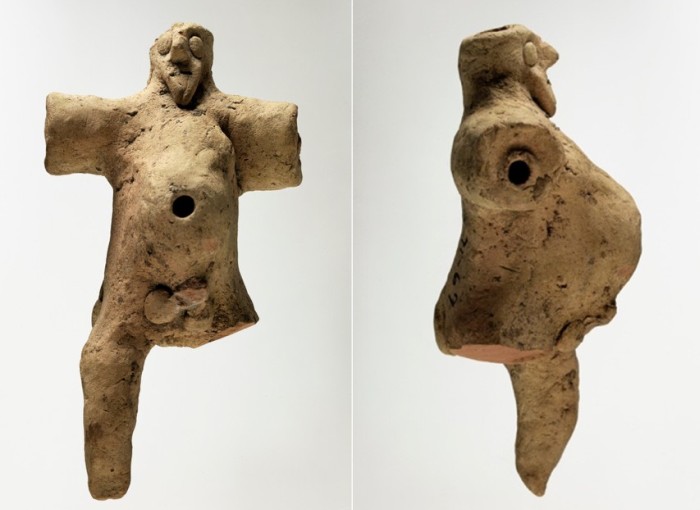
The proven adulteress will walk around the camp with a belly full of water. Instead of the promise of a new life, her “burden” will announce her untimely end. In this way, the accursed body provides a dreadful warning to other women who might want to stray from their husbands.[29]
A Provocation for YHWH to Punish Adultery
The law of the sotah exposes the fastidious deity to an unpleasant, if prearranged, ordeal that involves sexually provocative loose hair, substandard tableware, and ill-smelling smoke. As the spectacle sours YHWH’s mood, the priest makes the woman drink the holy potion of her curse, which is now set to react violently if it comes into contact with impurity. The result is a conspicuous and deadly illness—a twisted simulacrum of pregnancy to remind the Israelites of the life-denying dangers of illicit sex.
TheTorah.com is a 501(c)(3) nonprofit organization.
We rely on the support of readers like you. Please support us.
Published
May 27, 2026
|
Last Updated
October 7, 2026
Previous in the Series
Next in the Series
Before you continue...
Thank you to all our readers who offered their year-end support.
Please help TheTorah.com get off to a strong start in 2025.
Footnotes


Dr. Aslan Cohen Mizrahi is Perilman Postdoctoral Fellow at Duke University. Born and raised in Mexico City, he received his PhD in Hebrew Bible from the University of Chicago. His interests range from the conceptualization of authority in biblical literature to Jewish engagements with biblical texts after the Shoah. He is currently preparing a monograph on sovereignty in the Priestly narrative of the Torah.
Essays on Related Topics: