

 Edit article
Series
YHWH’s “Egyptian” Strong Hand and Outstretched Arm


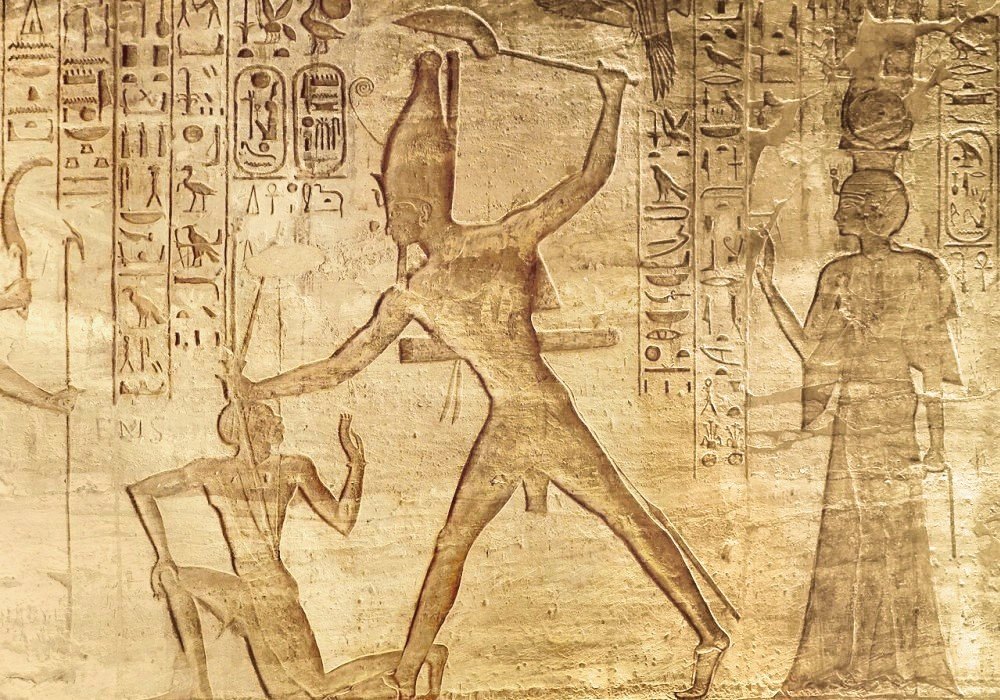
Ramesses II Smiting a Captive Nubian before Queen Nefertari, Abu Simbel, ca. 1260 B.C.E. Wikimedia
We might think of “the exodus” as an ancient Israelite literary tradition preserved in the Bible, but it is better viewed as a macro-tradition, containing several sub-traditions—ingredients, that make up the larger exodus “soup.”[1] These include:[2]
- The conflict with Pharaoh during the plagues (Exod 7:8–11:10; 12:29–36);
- The paschal offering (Exod 12:1–28; 13:3–10; cf. also Num 9:1–14; Deut 16:1–8; 2 Kgs 23:21–23; Ezek 45:21–24);
- The crossing of the sea (Exod 13:17–14:31; 15:1–21); and
- The wilderness wanderings up to the arrival at Sinai (Exod 15:22–18:27).
Some of these sub-traditions have a life of their own. Such is the case with the particular sub-tradition under discussion here: the motif of YHWH’s hand in the exodus (macro-)tradition.
The Tradition of YHWH’s Strong Hand and Outstretched Arm
Already in the calling of Moses at the burning bush, YHWH tells him:
שׁמות ג:יט וַאֲנִי יָדַעְתִּי כִּי לֹא יִתֵּן אֶתְכֶם מֶלֶךְ מִצְרַיִם לַהֲלֹךְ וְלֹא בְּיָד חֲזָקָה.
Exod 3:19 I know, however, that the king of Egypt will not let you go except by a strong hand.[3]
YHWH’s “strong hand,” is often conjoined with his “outstretched arm,” in a larger phrase that occurs eleven times in the Bible.[4] For example, in the Decalogue, YHWH declares:
דברים ה:טו וְזָכַרְתָּ כִּי עֶבֶד הָיִיתָ בְּאֶרֶץ מִצְרַיִם וַיֹּצִאֲךָ יְ־הוָה אֱלֹהֶיךָ מִשָּׁם בְּיָד חֲזָקָה וּבִזְרֹעַ נְטוּיָה עַל כֵּן צִוְּךָ יְ־הוָה אֱלֹהֶיךָ לַעֲשׂוֹת אֶת יוֹם הַשַׁבָּת.
Deut 5:15 Remember that you were a slave in the land of Egypt, and YHWH your God brought you out from there with a strong hand and with an outstretched arm; therefore YHWH your God commanded you to keep the Sabbath day.
The outstretched arm (without the mighty hand) is accompanied by שְׁפָטִים גְּדֹלִים, “great judgments,” once (Exod 6:6), and by כֹּחַ גָּדוֹל, “great power,” four times.[5] For example:
דברים ט:כט וְהֵם עַמְּךָ וְנַחֲלָתֶךָ אֲשֶׁר הוֹצֵאתָ בְּכֹחֲךָ הַגָּדֹל וּבִזְרֹעֲךָ הַנְּטוּיָה.
Deut 9:29 For they are your people, your very own possession, whom you brought out by your great power and by your outstretched arm.[6]
Eight of the eleven instances of the full phrase בְּיָד חֲזָקָה וּבִזְרֹעַ נְטוּיָה, “with a strong hand and an outstretched arm,” are found in Deuteronomy or in other compositions that are thought to be heavily influenced by it, including the books of Jeremiah and Kings.[7] Thus, some scholars argue that the phrase is Deuteronomi(sti)c in origin.[8] This conclusion assumes that the phrase belongs to a set of biblical texts that are dated, in the main, to the 7th century B.C.E. and thereafter. Yet this dating of the texts may not be determinative for the dating of the tradition, as we will see.[9]
Another scholarly approach has been to investigate this motif from an ancient Near Eastern comparative perspective, noting the remarkable similarities with antecedents in Egyptian royal ideology.[10] Mentions of the pharaoh’s mighty arm (Egyptian ʿ ) appear as early as the Pyramid texts and inscriptions that date to the Fourth and Fifth Dynasties (2625–2350 B.C.E). In the Middle Kingdom (ca. 2000–1700 B.C.E.), expressions that refer to the conquering arm of Pharaoh begin to appear.[11]
The full flowering of Egyptian use of ḫpš, “strong arm; strength, power,” with reference to the pharaoh, however, occurs in the reigns of the militaristic Thutmoside and Ramesside kings of Dynasties 18 and 19 (1540–1190 B.C.E.).[12] For example, king Amenhotep II (1427–1400 B.C.E., Dynasty 18) is described as the one “who smites foreign rulers of the far north” and “a god whose arm [ḫpš] is great.”[13] His successor, Thutmose IV (1400–1390 B.C.E.) is called “Possessor of a strong arm” (nb ḫpš) and “Mighty of Arm Who Subdues the Nine Bows” (wsr ḫpš dr psḏt).[14]
Two problems emerge from these scholarly insights:
1. Chronological
How can the Hebrew motif of YHWH’s strong hand and outstretched arm be Deuteronomi(sti)c, and thus from the 7th century B.C.E. (or later), and also be related to, influenced by, or derived from Egyptian sources dating to the mid-second millennium B.C.E.? It would seem that either the Hebrew motif must be dated considerably earlier than the 7th century or the biblical motif should not be traced back—certainly not directly—to New Kingdom Egypt.
Given this situation, it seems we might need to posit a very early borrowing by ancient Israel of the motif from Egyptian sources, which preserved it and then deployed it only much later in Deuteronomy and elsewhere. Alternatively, we might look to evidence from the Late Period in Egypt for traces of Pharaoh’s mighty arm. There are a few such references in the later times, but post New Kingdom dynasties witness “a discernible decline in the frequency of occurrences” of the motif.[15]
2. Correlation
Artistic depictions of Pharaoh often show his mighty hand and outstretched arm grasping a weapon, about to defeat his foe. The phrase in the Bible, however, does not contain mention to any sort of weapon.
And yet, it is precisely the artistic record that casts additional light on the Hebrew motif and its interrelationship(s) with Egyptian antecedents.
The Pharaoh Whose Mighty Hand Smites
.jpg?alt=media&token=0156f2c5-f206-4dfc-836a-92ceb5da904c)
The most obvious (and extensive) artistic comparables are depictions of the smiting or conquering arm of Pharaoh, for example in Tomb 100 at Hierakonpolis (fig. 1; ca. 3400–3300 B.C.E.) and in the Narmer Palette (ca. 3100–2920 B.C.E.; fig. 2, below).
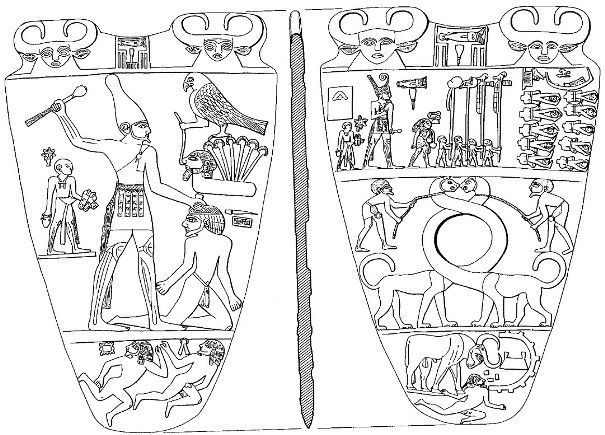 Fig. 2. Narmer Palette, Nagada 3 (ca. 3100–2920 B.C.E.).
This image proved remarkably stable and endured well into the Late Period and even into the Greco-Roman era.[17] It was the ancient Egyptian equivalent to a presidential seal.
Representations of Pharaoh’s dominating arm also appear frequently in New Kingdom materials. The image of Ramesses the Great smiting a Semitic victim while the god Atum looks on (fig. 3) is representative and quite important, given the date often proffered for the biblical exodus.[18]
.jpg?alt=media&token=03b17903-ff7d-4776-8b03-ed3ab361df5a) Fig. 3. Relief from the temple at Tell el-Retaba, Ramesses II (1279–1213 B.C.E.).
Fig. 3. Relief from the temple at Tell el-Retaba, Ramesses II (1279–1213 B.C.E.).
Given the popularity of this smiting scene, it seems quite possible that Pharaoh’s gesture was meant to be evoked in the biblical mentions of YHWH’s outstretched arm and mighty hand, especially since this motif is used so often with reference to Egypt. If so, the Hebrew motif, like the Egyptian one, is primarily one of militaristic encounter and domination.
If so, there is a heavy irony that mustn’t be missed: in the Bible, it is YHWH’s arm and hand that wreaks havoc on Egypt and on its king—a direct and ironic reversal of the Egyptian image of royal power wreaking havoc on foreign elements. Indeed, it does not seem too far-fetched to deem such irony intentional on the part of the biblical author(s). Egypt and Pharaoh are getting a taste of their own medicine, courtesy of YHWH, God of Israel!
A More Benevolent Image for YHWH
The image of the smiting Pharaoh endured into the periods in which the biblical texts were composed and transmitted, but the lack of a weapon in YHWH’s hand in the biblical imagery remains a noteworthy difference.[19] Even more important—though perhaps it is related—is the fact that YHWH’s outstretched arm is not always violent or destructive;[20] it is also connected with themes of:
Creation
ירמיה לב:יז אֲהָהּ אֲדֹנָי יְ־הוִה הִנֵּה אַתָּה עָשִׂיתָ אֶת הַשָּׁמַיִם וְאֶת הָאָרֶץ בְּכֹחֲךָ הַגָּדוֹל וּבִזְרֹעֲךָ הַנְּטוּיָה לֹא יִפָּלֵא מִמְּךָ כָּל דָּבָר.
Jer 32:17 Ah Lord YHWH! It is you who made the heavens and the earth by your great power and by your outstretched arm! Nothing is too hard for you.[21]
Redemption
Although Egypt is punished, the benevolent redemption of Israel is achieved with YHWH’s outstretched arm:
שׁמות ו:ו לָכֵן אֱמֹר לִבְנֵי יִשְׂרָאֵל אֲנִי יְ־הוָה וְהוֹצֵאתִי אֶתְכֶם מִתַּחַת סִבְלֹת מִצְרַיִם וְהִצַּלְתִּי אֶתְכֶם מֵעֲבֹדָתָם וְגָאַלְתִּי אֶתְכֶם בִּזְרוֹעַ נְטוּיָה וּבִשְׁפָטִים גְּדֹלִים.
Exod 6:6 Say therefore to the Israelites: I am YHWH, and I will free you from the burdens of the Egyptians and deliver you from slavery to them. I will redeem you with an outstretched arm and with great acts of judgment.
Prayer
YHWH’s strong hand and outstretched arm is also associated with prayer offered by foreigners:
מלכים א ח:מב כִּי יִשְׁמְעוּן אֶת שִׁמְךָ הַגָּדוֹל וְאֶת יָדְךָ הַחֲזָקָה וּזְרֹעֲךָ הַנְּטוּיָה וּבָא וְהִתְפַּלֵּל אֶל הַבַּיִת הַזֶּה.
1 Kgs 8:42 For they shall hear of your great name, your mighty hand, and your outstretched arm—when foreigners come and pray toward this house (cf. 2 Chr 6:32).
That the strong hand and outstretched arm motif is usually benevolent is further supported by Jeremiah’s reversal of the typical sequence of the nouns and adjectives, so that YHWH’s hand is outstretched, not mighty, and His arm is strong, not outstretched:
ירמיה כא:ה וְנִלְחַמְתִּי אֲנִי אִתְּכֶם בְּיָד נְטוּיָה וּבִזְרוֹעַ חֲזָקָה וּבְאַף וּבְחֵמָה וּבְקֶצֶף גָּדוֹל.
Jer 21:5 I myself will fight against you with outstretched hand and mighty arm, in anger, in fury, and in great wrath.
This reversal signals a transformation of the phrase into something negative, announcing judgment on Judah.[22]
An important difference between the Egyptian evidence (artistic and textual) and the Bible is that in the Egyptian record, it is the king’s arm, not an Egyptian deity’s, that is the focus, while in the Bible it is YHWH’s arm.[23] So, while the tradition of Pharaoh’s powerful arm has been the most common comparative evidence cited, it may also be fruitful to compare the biblical motif to another Egyptian image: that of the deity who extends symbols of life and/or gestures of blessing to human adorants, especially the king and the royal family.
The Life-Giving Deity Who Blesses
.jpg?alt=media&token=9d91840f-3b40-40fc-9073-c7071b67a6db)
The most famous depictions of a benevolent deity’s extended hands date (once again) to the New Kingdom, specifically to the Amarna Age of Dynasty 18 (ca. 1352–1336 B.C.E.). The art of this period is dominated by highly formalized presentations of the god Aten (ỉtn)—a special manifestation of the sun-god Re-Harakhti in this period. The god is portrayed with rays ending in small hands that often seem almost to alight on the heads of worshippers, as if in blessing (fig. 4), or that hold small ankh-signs (the symbol of life) to the noses of the royal family (fig. 5).[24]
%E2%80%94a%20special%20manifestation%20of%20the%20sun-god%20Re-Harakhti%20in%20this%20period%E2%80%94who%20is%20portrayed%20with%20rays%20ending%20in%20small%20hands.jpg?alt=media&token=d4589599-31a9-476c-8021-bcd5d1d02d6e) Fig. 5. Limestone stele, Amarna. [25]
Fig. 5. Limestone stele, Amarna. [25]
The Aten’s hands in such depictions are certainly outstretched, and they end in blessing and life, elements that correspond to the important aspects of the Hebrew motif. But are the Aten’s hands—which seem delicate, if not dainty—strong like YHWH’s יָד חֲזָקָה, “strong hand”? We might wonder if the traditional translation of חֲזָקָה as “mighty” or “strong” is incorrect in this case. Indeed, the basic meaning of the Hebrew root ח.ז.ק, from which חֲזָקָה is derived, is “to seize, take hold, grasp.”[26]
The Aten’s hands do typical grasp something: most often, the ankh-symbols that are extended to worshippers. Still more significantly, however, the textual record connects the power and strength of the Aten to his rays, as, for example, in The Short Hymn to the Aten:
Your power, your strength, are firm in my heart;
You are the living Aten whose image endures,
You have made the far sky to shine in it,
To observe all that you made.
You are One…yet a million lives are in you,
To make them live <you give> the breath of life to their noses;
By the sight of your rays all flowers exist,
What lives and sprouts from the soil grows when you shine.[27]
Such a presentation resonates with how YHWH’s outstretched arm is associated with creation:
ירמיה כז:ה אָנֹכִי עָשִׂיתִי אֶת הָאָרֶץ אֶת הָאָדָם וְאֶת הַבְּהֵמָה אֲשֶׁר עַל פְּנֵי הָאָרֶץ בְּכֹחִי הַגָּדוֹל וּבִזְרוֹעִי הַנְּטוּיָה וּנְתַתִּיהָ לַאֲשֶׁר יָשַׁר בְּעֵינָי.
Jer 27:5 It is I who by my great power and my outstretched arm have made the earth, with the people and animals that are on the earth, and I give it to whomever I please.
.jpg?alt=media&token=4dace016-d0fe-437c-825a-80590549d95c)
As with the iconography of pharaoh’s smiting posture, the iconography of a deity who extends life to a royal figure is well attested, not limited solely to the Aten of the Amarna Age. For example, fig. 6, from the tomb of Seti I (1294–1279 B.C.E.), depicts the goddess Maat holding the ankh to the nose of the king.
Neither is such a general notion limited to Egypt. Another, slightly later image—in this case, from Mesopotamia—is the Broken Obelisk of Tiglath-Pileser I (ca. 1110 B.C.E.), which shows two divine hands (fig. 7): one extending a bow to the king, the other open and outstretched in what is apparently an expression of divine approval.[29] Images like these reflect the idea that deities, not just monarchs, have outstretched arms that grasp, not just weaponry, but also symbols for blessing, life, and salvation, or that make gestures of the same.
.jpg?alt=media&token=f1bbbffb-3bae-493c-adc2-747d5324942f) Fig. 7. Broken Obelisk of Tiglath-Pileser I from Nineveh (ca. 1110 B.C.E.). [30]
Fig. 7. Broken Obelisk of Tiglath-Pileser I from Nineveh (ca. 1110 B.C.E.). [30]
A Flexible (Macro-)Tradition
Some scholars have argued that the relatively stable form and frequent use of the phrase בְּיָד חֲזָקָה וּבִזְרֹעַ נְטוּיָה, “with a strong hand and (with) an outstretched arm,” suggests that it had an established and singular meaning. Karen Martens, for example, argues that the phrase refers to one particular aspect of divine activity—namely, YHWH’s capacity to cause disease and plague.[31] In this view, the strong hand and outstretched arm is a kind of shorthand (no pun intended) for the plague (sub)tradition.
But such a reduction of the motif to just one idea, and especially the plague (sub)tradition, is problematic. As the discussion above has shown, an exclusively negative, destructive, or war-like interpretation of the biblical motif is unwarranted. In some instances, YHWH’s outstretched arm does indeed seem most similar to the strong, bashing arm of Pharaoh. Yet in others, YHWH’s outstretched arm is connected to saving Israel or with creating the world, consistent with the divine arms that extend life and blessing in Amarna iconography and elsewhere.
In the final analysis, therefore, the Bible employs this motif flexibly, incorporating both military dominance and benevolence—in some cases simultaneously. Divine defeat of an enemy is, after all, divine beneficence to those needing deliverance and protection. So it is that the larger (macro-)tradition of the exodus, too, like the (sub-)tradition of YHWH’s hand and arm, should be seen as both things at once.
In the exodus, it is not merely or simply a matter of a God of Asiatics wreaking havoc on Egypt, bashing it and its king in an ironic reversal of Egyptian royal iconography; it is equally and also a matter of a God who blesses, protects, and cares for Israel—like a single, solitary ray of light dawning on a people long oppressed and enslaved (see fig. 4).
Now that is a (macro-)tradition worth remembering!
TheTorah.com is a 501(c)(3) nonprofit organization.
We rely on the support of readers like you. Please support us.
Published
March 30, 2026
|
Last Updated
September 18, 2026
Previous in the Series
Next in the Series
Before you continue...
Thank you to all our readers who offered their year-end support.
Please help TheTorah.com get off to a strong start in 2025.
Footnotes


Prof. Brent A. Strawn is D. Moody Smith Distinguished Professor of Old Testament and Professor of Law at Duke University and a McDonald Distinguished Fellow in Law and Religion at Emory University where he previously served as W. R. Cannon Distinguished Professor of Old Testament. He holds an M.Div and Ph.D. from Princeton Theological Seminary and is an ordained elder in the North Georgia Conference of The United Methodist Church. Strawn is the author of seven books: What Is Stronger than a Lion? Leonine Image and Metaphor in the Hebrew Bible and the Ancient Near East (2005), The Old Testament Is Dying: A Diagnosis and Recommended Treatment (2017), The Old Testament: A Concise Introduction (2020), and Lies My Preacher Told Me: An Honest Look at the Old Testament (2021). He served as served as a translator and editor for the Common English Bible (2011) and the New Revised Standard Version Updated Edition (2022) and has edited over thirty volumes to date, including The Bible and the Pursuit of Happiness: What the Old and New Testaments Teach Us about the Good Life (2012), The World around the Old Testament (2014), and the award-winning The Oxford Encyclopedia of the Bible and Law (2015).
Essays on Related Topics: