


 Edit article
Series
Leah’s Loveless Marriage to Jacob Shapes Her Daughter Dinah


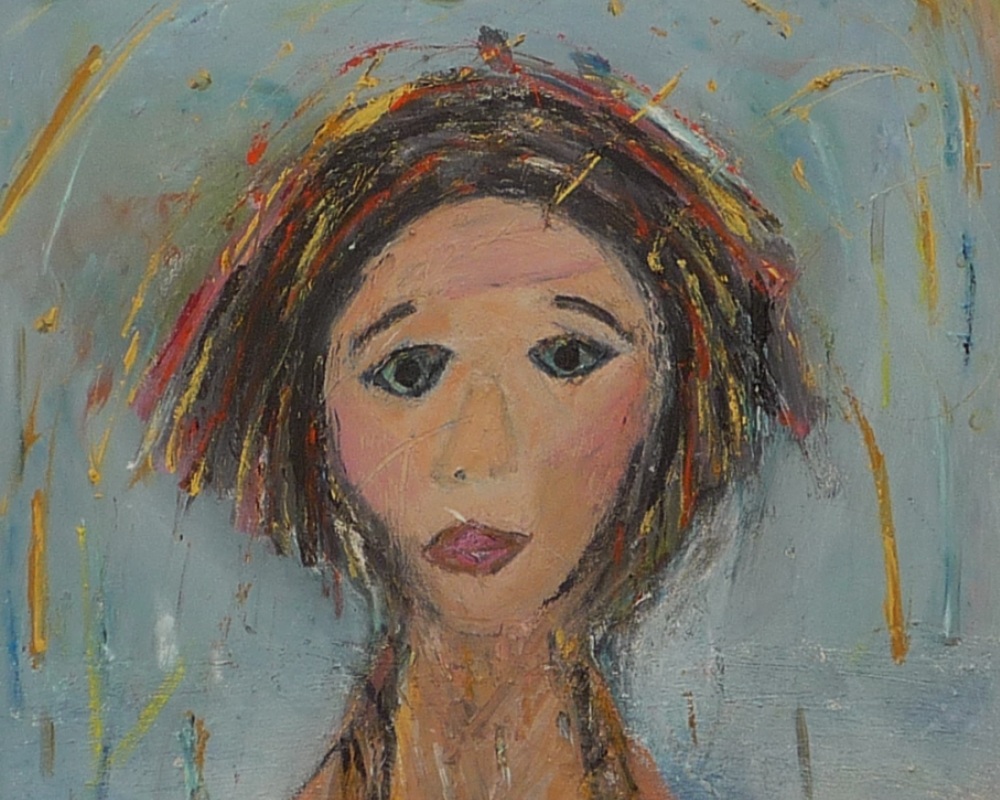
Colorful Girl, Yehudit Englard, 2013. Wikimedia
Leah Inscribes Her Unhappy Married Life in Her Children’s Names
Leah, Laban’s unattractive daughter, became Jacob’s first wife when she assumed the identity of her sister Rachel, Jacob’s intended bride, for whom he had served Laban for seven years (Gen 29:18).[1] It is unclear whether Leah was coerced by her father or was a willing party to the deception, but she must have cooperated to a certain extent to make the ruse work.
Leah must have felt humiliated when Jacob, after spending the entire night with her, angrily confronts her treacherous father:
בראשית כט:כה וַיְהִי בַבֹּקֶר וְהִנֵּה הִוא לֵאָה וַיֹּאמֶר אֶל לָבָן מַה זֹּאת עָשִׂיתָ לִּי הֲלֹא בְרָחֵל עָבַדְתִּי עִמָּךְ וְלָמָּה רִמִּיתָנִי.
Gen 29:25 When morning came, there was Leah! So he said to Laban, “What is this you have done to me? I was in your service for Rachel! Why did you deceive me?”[2]
Leah was probably even more humiliated when Jacob immediately arranges to secure the beautiful Rachel as his bride (v. 27-28), and marries her a week later:
בראשית כט:ל וַיָּבֹא גַּם אֶל־רָחֵל וַיֶּאֱהַב גַּם־אֶת־רָחֵל מִלֵּאָה.
Gen 29:30a He cohabited also with Rachel, and he loved Rachel more than Leah.
Even though Jacob does not confront Leah directly for deceiving him, and the biblical narrator, too, refrains from judging Leah for her part in the ruse, Leah still suffers; she becomes the “hated” wife (שְׂנוּאָה, senu’ah, vs. 31).[3] The controlling element in Leah’s life becomes her desperate attempts to gain Jacob’s love.
When she is the first to give birth, an event that should have given her status and power in the patriarchal family, she names her son Reuben, believing that giving her husband a male child will make him love her:
בראשית כט:לב וַתַּהַר לֵאָה וַתֵּלֶד בֵּן וַתִּקְרָא שְׁמוֹ רְאוּבֵן כִּי אָמְרָה כִּי רָאָה יְ־הֹוָה בְּעׇנְיִי כִּי עַתָּה יֶאֱהָבַנִי אִישִׁי.
Gen 29:32 Leah conceived and bore a son and named him Reuben;[4] for she declared, “It means: ‘YHWH has seen my affliction’; it also means: ‘Now my husband will love me.’”
But when Simeon is born, Leah apparently has despaired of changing Jacob’s heart and just hopes not to be hated:
בראשית כט:לג וַתַּהַר עוֹד וַתֵּלֶד בֵּן וַתֹּאמֶר כִּי שָׁמַע יְ־הֹוָה כִּי שְׂנוּאָה אָנֹכִי וַיִּתֶּן לִי גַּם אֶת זֶה וַתִּקְרָא שְׁמוֹ שִׁמְעוֹן.
Gen 29:33 She conceived again and bore a son, and declared, “This is because YHWH heard”[5] that I was unloved and has given me this one also”; so she named him Simeon.
When Levi comes to the world, she expects that at least the sons’ father will spend more time with her and her sons:
בראשית כט:לד וַתַּהַר עוֹד וַתֵּלֶד בֵּן וַתֹּאמֶר עַתָּה הַפַּעַם יִלָּוֶה אִישִׁי אֵלַי כִּי יָלַדְתִּי לוֹ שְׁלֹשָׁה בָנִים עַל כֵּן קָרָא שְׁמוֹ לֵוִי.
Gen 29:34 Again she conceived and bore a son and declared, “This time my husband will join me,[6] for I have borne him three sons.” Therefore he was named Levi.
But when she gives birth to Judah, Leah no longer even mentions her husband but thanks YHWH:
בראשית כט:לה וַתַּהַר עוֹד וַתֵּלֶד בֵּן וַתֹּאמֶר הַפַּעַם אוֹדֶה אֶת יְ־הֹוָה עַל כֵּן קָרְאָה שְׁמוֹ יְהוּדָה וַתַּעֲמֹד מִלֶּדֶת.
Gen 29:35 She conceived again and bore a son, and declared, “This time I will praise[7] YHWH.” Therefore she named him Judah. Then she stopped bearing.
Names are understood in biblical narrative to shape a person’s destiny; thus Leah’s sons grew up carrying their mother’s unrequited love in their names, witnessing her loneliness and misery.[8]
It appears that after her first four sons, Jacob no longer spends nights with Leah, but she continues to give him two sons through her handmaid Zilpah. Leah is successful in bearing a fifth son, Issachar,[9] only after she barters her son’s mandrakes for a night with Jacob (30:15-16). The birth of her sixth son, Zebulun, faintly rekindles her hopes that Jacob will spend more time in her and her sons’ company: (30:20).[10]
Dinah: Leah’s Hope for Justice
When her daughter, Dinah, is born, Leah no longer indulges in a “naming ceremony,” and the name she gives her daughter no longer reflects any hope of improving her marriage:
בראשית ל:כא וְאַחַר יָלְדָה בַּת וַתִּקְרָא אֶת שְׁמָהּ דִּינָה.
Gen 34:21 And afterwards she bore a daughter and called her name Dinah (30:21).
Even though Leah does not elaborate on the meaning of her daughter’s name, the link of the name to the Hebrew noun for judgement or justice, דין (din), may be of significance. Leah semantically enfolds her own state of mind in Dinah’s name (as she did with her sons’ names) to convey her search for justice in a life in which, she felt, she had been mistreated and dealt with unfairly by her father, who forced her into a loveless marriage, and by Jacob himself.
Leah’s marital agony was likely apparent to her children, and she probably inculcated in them from early times a sense of rejection, and perhaps even anger toward their father.[11] While the sons could escape their mother’s dwelling when they grew up, the daughter had to stay with a mother who was unable to impart to her a sense of self-worth.
Dinah must have grown up filled with a double sense of isolation: not only did she belong to a tribe which was viewed with suspicion by its neighbors (Gen 34:20-23), but within her own family she was the daughter of the rejected wife.
Dinah, Impacted by Her Mother’s Loveless Marriage, Chooses an Opposite Path
The next time the names Leah and Dinah appear together is when Dinah, now grown, decides to leave the family encampment to find girlfriends:
בראשית לד:א וַתֵּצֵא דִינָה בַּת לֵאָה אֲשֶׁר יָלְדָה לְיַעֲקֹב לִרְאוֹת בִּבְנוֹת הָאָרֶץ.
Gen 34:1 Now Dinah, the daughter whom Leah had borne to Jacob, went out to see the daughters of the land.
The Bible recounts a variety of family relationships (fathers and sons, husbands and wives, mothers and sons, and even fathers and daughters), but there are no tales that highlight a mother-daughter relationship. The mention of Leah’s name at the opening of this story, even though she will not have a role or a voice in the drama that follows, together with the name of Dinah’s father Jacob, brings to the fore Leah’s unhappy life and may hint at her daughter’s motivation.
Dinah going out to explore a foreign terrain indicates daring and a strong will, choosing a life that is the mirror opposite of her mother’s.[12] Leah did all the “right things” expected of a woman in patriarchy: she complied with her father Laban’s plans to deceive Jacob, thus securing a husband for herself, and went on to provide the family with male children.
If all that produced for Leah misery rather than happiness, then her daughter Dinah would carve out a different destiny. The mother was confined to the patriarchal domicile, so the daughter would abandon the safety of home and move to the open space, to explore a different territorial and cultural ambiance. Leah concurred with the family’s preference for endogamy and wedded her cousin, so her daughter would exit the family compound to look for a social life outside it.
Furthermore, Leah had to use the cover of nocturnal darkness in order to get a man, so Dinah would go out in the open, in broad daylight, to see and be seen. Leah was used as a passive object by her father, as well as by her cold husband, for whom she was only an instrument of procreation. Dinah, therefore, would be the subject, the initiator and mover of events.
As the tale opens, Dinah has indeed made herself the subject both grammatically and dramatically. She not only rejects her mother’s model, but her actions prove that she tries to emulate the men in her environment, her brothers, whose lives were characterized by freedom of mobility and exogamous practices.[13]
But departing from the confines of her family’s territory is the only voluntary action taken by Dinah. Her attempt to extricate herself from her mother’s predicament catapults her into a typical female experience, one that most clearly exemplifies women’s vulnerability and circumscribed existence in ancient times.
Shechem Takes Dinah
While she is out seeing the “daughters of the land” Dinah herself is seen[14] and taken:
בראשית לד:ב וַיַּרְא אֹתָהּ שְׁכֶם בֶּן חֲמוֹר הַחִוִּי נְשִׂיא הָאָרֶץ וַיִּקַּח אֹתָהּ וַיִּשְׁכַּב אֹתָהּ וַיְעַנֶּהָ.
Gen 34:2 And Shechem the son of Hamor the Hivite, the prince of the land, saw her; and he took her, and lay with her, and humbled her.[15]
From this point forward, Dinah becomes the typical female in a male-dominant society, her voice is silenced, and the action arena is taken over by men, her father, her brothers, the rapist, his father, and the people of the city.[16] In a tale about a woman’s experience, neither the female victim herself, Dinah, nor her mother, Leah, are given a voice.[17]
Both Leah and Dinah are Condemned for “Going Out”
The rabbis generally view Leah in a positive light,[18] so it comes as a surprise that the midrash (later also quoted by Rashi in his commentary on Gen 34:1)[19] explains the mention of Leah in the opening of the tale as suggesting a link between Leah’s life and her daughter’s behavior, and identifies sexual boldness as the connection between the two:
בראשית רבה פ:א אֲמַר לֵיהּ לֵית תּוֹרְתָא עֲנִישָׁא עַד דִּבְרַתָּהּ בְּעִיטָא, לֵית אִתְּתָא זָנְיָא עַד דִּבְרַתָּהּ זָנְיָא. אָמְרוּ לֵיהּ אִם כֵּן לֵאָה אִמֵּנוּ זוֹנָה הָיְתָה, אָמַר לָהֶם (בראשית ל, טז): וַתֵּצֵא לִקְרָאתוֹ וגו', יָצָאת מְקֻשֶּׁטֶת כְּזוֹנָה, לְפִיכָךְ וַתֵּצֵא דִינָה בַּת לֵאָה.
Gen Rab 80:1 He [Yosei of Maon] said to him: “There is no cow that is prone to gore that does not have a calf that kicks. There is no woman who engages in promiscuity that does not have a daughter who engages in promiscuity.” They said to him: “If so, Leah our matriarch was a harlot?” He said to them: ‘“Leah came out to meet him…’ (Gen 30:16) – she came out adorned like a harlot. That is why, ‘Dinah, daughter of Leah…went out’ (Gen 34:1).”
Yosi of Maon’s words are harsh, comparing Leah, a wife who dresses up to please her legitimate husband, to a harlot, and condemning Dinah for “going out” to look for a sexual adventure, even though the narrative clearly explains that Dinah went out to find female companionship, or to observe the life of the Hivite women.
His denunciation of both mother and daughter is based on the observation that the verb וַתֵּצֵא (watetze), “she went out” is used to describe Leah greeting her husband to sleep with her and Dinah leaving her tribal confines:
בראשית ל:טז וַיָּבֹא יַעֲקֹב מִן הַשָּׂדֶה בָּעֶרֶב וַתֵּצֵא לֵאָה לִקְרָאתוֹ וַתֹּאמֶר אֵלַי תָּבוֹא כִּי שָׂכֹר שְׂכַרְתִּיךָ בְּדוּדָאֵי בְּנִי וַיִּשְׁכַּב עִמָּהּ בַּלַּיְלָה הוּא.
Gen 30:16 When Jacob came home from the field in the evening, Leah went out to meet him and said, “You are to sleep with me, for I have hired you with my son’s mandrakes.” And he lay with her that night.
בראשית לד:א וַתֵּצֵא דִינָה בַּת לֵאָה אֲשֶׁר יָלְדָה לְיַעֲקֹב...
Gen 34:1 Now Dinah, the daughter whom Leah had borne to Jacob, went out…
Attributing a sexual connotation to this very common verb is far-fetched. The noun יצאנית, from the same root, denotes a prostitute only in early medieval and later Hebrew,[20] but the verb itself, in biblical Hebrew, does not carry a sexual meaning. In fact, the same verb is used earlier to describe Jacob leaving his home with his parents’ blessings:
בראשית כח:י וַיֵּצֵא יַעֲקֹב מִבְּאֵר שָׁבַע וַיֵּלֶךְ חָרָנָה.
Gen 28:10 Jacob went out from Beer-sheba and set out for Haran.[21]
Further, by evoking the biblical episode in which Leah has to barter with her sister in order to gain another night with Jacob, this midrash reminds us of Leah’s humiliation and suffering in her married life with Jacob, not of her sexual boldness.
The ancient sages, intentionally or not, may have wanted to use the Dinah episode as a cautionary tale for women to not venture out of their home, as they express on many occasions,[22] but attributing a sexual motivation to Dinah is unwarranted by the narrative itself. Yet the midrashic sages were insightful in noticing the mention of Leah in the opening of the tale of Dinah as significant, and in sensing Dinah’s adventurous nature.
Unlike Her Mother Leah, Dinah Finds Love
Shechem falls deeply in love with Dinah after the encounter, a reversal of her mother’s experience:
בראשית לד:ג וַתִּדְבַּק נַפְשׁוֹ בְּדִינָה בַּת־יַעֲקֹב וַיֶּאֱהַב אֶת־הַנַּעֲרָ וַיְדַבֵּר עַל־לֵב הַנַּעֲרָ.
Gen 34:3 And his soul cleaved to Dinah the daughter of Jacob, and he loved the maiden, and spoke to the maiden tenderly.
Even if we consider Shechem’s words to Dinah as only tactical, the narrative tells us that he “loved” Dinah and also uses the strong, somewhat poetic phrase that his soul “cleaved” to her.[23] Shechem’s private conversation with his father also suggests that his love for Dinah is sincere:
בראשית לד:ד וַיֹּאמֶר שְׁכֶם אֶל חֲמוֹר אָבִיו לֵאמֹר קַח לִי אֶת הַיַּלְדָּה הַזֹּאת לְאִשָּׁה.
Gen 34:4 So Shechem said to his father Hamor, “Get me this girl as a wife.”
Even more important is that the young and inexperienced Dinah, who witnessed her mother’s suffering in a loveless marriage, heard words of love coming from a man.
Dinah’s Father, Jacob, Does Not Respond
Jacob’s reaction to the news about his daughter’s molestation is unemotional, assessing the situation in cultic terms (his daughter has become “impure” or “defiled”) as well as strategically (waiting until his sons will return from the field), but it does not reflect a distressed, worried father:
בראשית לד:ה וְיַעֲקֹב שָׁמַע כִּי טִמֵּא אֶת דִּינָה בִתּוֹ וּבָנָיו הָיוּ אֶת מִקְנֵהוּ בַּשָּׂדֶה וְהֶחֱרִשׁ יַעֲקֹב עַד בֹּאָם.
Gen 34:5 Jacob heard that he had defiled his daughter Dinah; but since his sons were in the field with his cattle, Jacob kept silent until they came home.
Jacob’s coldness toward Leah is again exhibited by the fact that he does not try to comfort her or consult with her during her daughter’s ordeal. This is contrasted with other episodes that show Jacob as a highly passionate man, falling in love with Rachel and crying as soon as he sees her (Gen 29:11), becoming inconsolable when Joseph is lost (Gen 37:34-35), and breaking into tears when he is reunited with Joseph (Gen 46:29).
A midrash questions Jacob’s choice to be silent, but its attempt to explain Jacob only makes him look selfish; he thinks of himself first:
בראשית רבה פ:ז וְיַעֲקֹב שָׁמַע כִּי טִמֵּא אֶת דִּינָה בִתּוֹ – וְלָמָּה שָׁתַק? אָמַר רַבִּי יְהוּדָה בַּר סִימוֹן: אָמַר יַעֲקֹב, אִם אֲדַבֵּר – אֶעֱרֶה שִׁנְאָה עַל עַצְמִי.
Gen Rabbah 80:7 ‘Jacob heard that he had defiled Dinah his daughter’ — and why did he remain silent? Rabbi Yehudah bar Simon said: Jacob said, ‘If I speak, I’ll bring (or heap) hatred on myself.’[24]
The Response of Dinah’s Brothers
The father’s cold reticence is in direct opposition to his sons’ emotional reaction, reflecting genuine sorrow and concern for their sister:
בראשית לד:ז וּבְנֵי יַעֲקֹב בָּאוּ מִן הַשָּׂדֶה כְּשׇׁמְעָם וַיִּתְעַצְּבוּ הָאֲנָשִׁים וַיִּחַר לָהֶם מְאֹד כִּי נְבָלָה עָשָׂה בְיִשְׂרָאֵל לִשְׁכַּב אֶת בַּת יַעֲקֹב וְכֵן לֹא יֵעָשֶׂה.
Gen 34:7 Meanwhile Jacob’s sons, having heard the news, came in from the field. The men were distressed[25] and very angry, because he had committed an outrage in Israel by lying with Jacob’s daughter—a thing not to be done.
Only after expressing their feelings do they assess the immorality of the event, both in terms of their own culture, and then as a violation of basic human morals.
A midrash further contrasts Jacob’s silence with his sons’ reaction:
מדרש תנחומא וישלח ח לְפִי שֶׁלֹּא תָּבַע יַעֲקֹב עַל כְּבוֹד בִּתּוֹ, בָּאוּ בָנָיו וְתָבְעו.
Midrash Tanchuma, Vayishlach 8 Because Jacob did not demand justice for his daughter’s honor, his sons came and demanded it.[26]
Leah’s Daughter in Exchange for Land
Hamor approaches Jacob and his sons requesting Dinah for his son, telling him of the advantage intermarriage with his people will bring:
בראשית לד:ט וְהִתְחַתְּנוּ אֹתָנוּ בְּנֹתֵיכֶם תִּתְּנוּ־לָנוּ וְאֶת־בְּנֹתֵינוּ תִּקְחוּ לָכֶם. לד:י וְאִתָּנוּ תֵּשֵׁבוּ וְהָאָרֶץ תִּהְיֶה לִפְנֵיכֶם שְׁבוּ וּסְחָרוּהָ וְהֵאָחֲזוּ בָּהּ.
Gen 34:9 Intermarry with us: give your daughters to us, and take our daughters for yourselves. 34:10 You will dwell among us, and the land will be open before you; settle, move about, and acquire holdings in it.”
The Hivites’ proposal of peace consists of economic and geopolitical transactions between the two groups as a solution to the animosity created by the rape. The Hivites’ offer confirms anthropologist Claude Levi-Strauss’ (1908-2009) observation that “marriage is an archetype of exchange” and that women are objects whose exchange between a group of men is a means of binding men together.[27] Jacob’s own past marriage negotiations with Laban were also commercial transactions, a daughter in exchange for labor (Gen 29:18-20, 27-28).
Jacob’s silence during the negotiations with the Hivites implies that he has no negative reaction to the Hivites’ offer to have Shechem marry Dinah and establish a commercial relationship between themselves and the Israelites. Further, obtaining permission from the Hivites to strike roots and own land may have a special appeal to Jacob, whose family was still considered foreign outsiders.
Dinah’s Brothers Seek Vengeance
Dinah’s brothers respond to Shechem and Hamor’s offer differently. They deceptively tell them that they will agree to intermarry only if all the Hivite men get circumcised (v. 13-17). The Hivites agree. Then, while the Hivite men are recovering from their circumcisions, Simeon and Levi act:
בראשית לד:כה וַיְהִי בַיּוֹם הַשְּׁלִישִׁי בִּהְיוֹתָם כֹּאֲבִים וַיִּקְחוּ שְׁנֵי בְנֵי יַעֲקֹב שִׁמְעוֹן וְלֵוִי אֲחֵי דִינָה אִישׁ חַרְבּוֹ וַיָּבֹאוּ עַל הָעִיר בֶּטַח וַיַּהַרְגוּ כׇּל זָכָר. לד:כו וְאֶת חֲמוֹר וְאֶת שְׁכֶם בְּנוֹ הָרְגוּ לְפִי חָרֶב וַיִּקְחוּ אֶת דִּינָה מִבֵּית שְׁכֶם וַיֵּצֵאוּ.
Gen 34:25 On the third day, when they were in pain, Simeon and Levi, two of Jacob’s sons, brothers of Dinah, took each his sword, came upon the city unmolested, and slew all the males. 34:26 They put Hamor and his son Shechem to the sword, took Dinah out of Shechem’s house, and went away.
It is only at this point in the story that that we learn that Dinah was at Shechem and Hamor’s household the whole time.[28]
We do not know if Dinah was being held against her will or stayed with them willingly, perhaps reluctant to return home. Staying with a man who claimed to love her was certainly better than returning, in a state of being “defiled,” to an unhappy mother, a neglectful father, and hotheaded brothers. For Dinah, who saw only rejection and coldness at home, Shechem’s protestations of love may have sounded genuine and, in return, elicited her own love.
Indeed, a midrash understands that Dinah preferred to stay, but gives a rather crude explanation as to why:
בראשית רבה פ וַיִּקְחוּ אֶת דִּינָה, רַבִּי יוּדָן אָמַר גּוֹרְרִין בָּהּ וְיוֹצְאִין. אָמַר רַב הוּנָא הַנִּבְעֶלֶת לְעָרֵל קָשֶׁה לִפְרשׁ.
Bereshit Rabbah 80 “And took Dinah” Rabbi Yudan said: “They were dragging her and departing.” Rav Huna said: “One who engages in relations with an uncircumcised man, it is difficult to pull away.”
Once Simon and Levi take Dinah away from Shechem’s household, the rest of the brothers plunder the city. They take all the Hivites’ possessions, including their flocks and livestock, and take their women and children captive (v. 27-29) “because their sister had been defiled” (v. 27).
After the bloody rescue operation, the brothers take her וַיֵּצֵאוּ (wayetze’u) “and go out.”[29] There is no mention of Jacob welcoming Dinah back into the home.
Jacob is Unfair to Leah’s sons, Simeon and Levi
The only time Jacob reveals emotions during this incident is when he heatedly reprimands Leah’s sons, Simeon and Levi, for the massacre that they perpetrated, because it might jeopardize the clan’s precarious political position:
בראשית לד:ל וַיֹּאמֶר יַעֲקֹב אֶל שִׁמְעוֹן וְאֶל לֵוִי עֲכַרְתֶּם אֹתִי לְהַבְאִישֵׁנִי בְּיֹשֵׁב הָאָרֶץ בַּכְּנַעֲנִי וּבַפְּרִזִּי וַאֲנִי מְתֵי מִסְפָּר וְנֶאֶסְפוּ עָלַי וְהִכּוּנִי וְנִשְׁמַדְתִּי אֲנִי וּבֵיתִי.
Gen 34:30 Jacob said to Simeon and Levi, “You have brought trouble on me, making me odious among the inhabitants of the land, the Canaanites and the Perizzites; my men are few in number, so that if they unite against me and attack me, I and my house will be destroyed.”
But singling out Simeon and Levi is unfair, because their only purpose for slaughtering the Hivite men was rescuing Dinah, after which they leave with her, while the other brothers enter the devastated city to loot it and take its women and children as their possessions. Simeon and Levi’s response to their father is angry and clearly implies that they have acted like brothers when he, Jacob, did not act like a father:
בראשית לד:לא וַיֹּאמְרוּ הַכְזוֹנָה יַעֲשֶׂה אֶת אֲחוֹתֵנוּ.
Gen 34:31 And they said: “Should our sister be treated like a whore?”
Calling Dinah here “our sister” may also be alluding to the fact that they are Dinah’s full brothers, thus indirectly giving presence to the absent Leah.
At his deathbed, Jacob continues to single out Simeon and Levi for condemnation, linked to their action to rescue Dinah (Gen 49). Jacob’s final words to Leah’s sons (including Reuben, v. 3-4) are a harsh reprimand rather than a blessing:
בראשית מט:ז אָרוּר אַפָּם כִּי עָז וְעֶבְרָתָם כִּי קָשָׁתָה אֲחַלְּקֵם בְּיַעֲקֹב וַאֲפִיצֵם בְּיִשְׂרָאֵל.
Gen 49:7 Cursed be their anger so fierce, and their wrath so relentless. I will divide them in Jacob, scatter them in Israel.
Dinah’s Life After Shechem
Dinah’ mother, Leah, who embedded in her daughter’s name her hope for personal justice, accomplished at least a modicum of her wish: while Rachel died young and was buried “on the way to Ephrat” (Gen. 35:19), Leah continued to live as Jacob’s wife, and was buried next to him. And in the people’s historical memory, Leah has remained one of the four iconic matriarchs, the builders of the nation.
Not so was her daughter’s fate. Some Midrashic sages, noticing the narrative lacuna regarding Dinah’s life after returning home, attribute to Dinah a future as a wife to Job (b. Bava Batra 15b), or as a mother to Osnat, Joseph’s wife (T. Pseudo-Jonathan Gen 41:45).[30] But within the biblical narrative itself, Dinah is mentioned only once, among the people who went to Egypt with Jacob (Gen 46:15); while her brothers’ large families are chronicled, Dinah has no husband or children attached to her name.
Thus, Dinah’s attempt at freedom or at reversing her mother’s sad life ended in disaster. Before her stretched a whole lifetime as the unmarried, "defiled” relative, fading into history without leaving any genetic mark.
TheTorah.com is a 501(c)(3) nonprofit organization.
We rely on the support of readers like you. Please support us.
Published
January 7, 2026
|
Last Updated
September 14, 2026
Previous in the Series
Next in the Series
Before you continue...
Thank you to all our readers who offered their year-end support.
Please help TheTorah.com get off to a strong start in 2025.
Footnotes


Prof. Nehama Aschkenasy is Professor (emerita) of Comparative Literary and Cultural Studies at the University of Connecticut. She holds degrees in Hebrew and English Literature from the Hebrew University, Jerusalem, and a Ph.D. in Comparative Literature from New York University. Aschkenasy is the author of Eve’s Journey: Feminine Images in Hebraic Literary Tradition (U. of Pennsylvania, 1987), a Choice selection and winner of the Present Tense Literary Award, and Woman at the Window: Biblical Tales of Oppression and Escape (Wayne State, 1998). She is the editor of Biblical Patterns in Modern Literature (with David Hirsch, Brown, 1984), and Recreating the Canon: The Biblical Presence in Contemporary Hebrew Literature and Culture (a dedicated volume of the AJS Review, 28:1, Cambridge, 2004). She has also contributed numerous chapters and articles to edited books and scholarly journals, and served as Associate Editor of the AJS Review. Her teaching and research focus on the reappearance of biblical patterns in Hebraic and English literary traditions, literary art in the Bible, women in Hebraic literary tradition, and politics and society in contemporary Israeli fiction. For more, see her UConn profile.
Essays on Related Topics: