


 Edit article
Series
Symposium
Revised Editions: What Right Do I Have to Try and Convince You Again?


Categories:
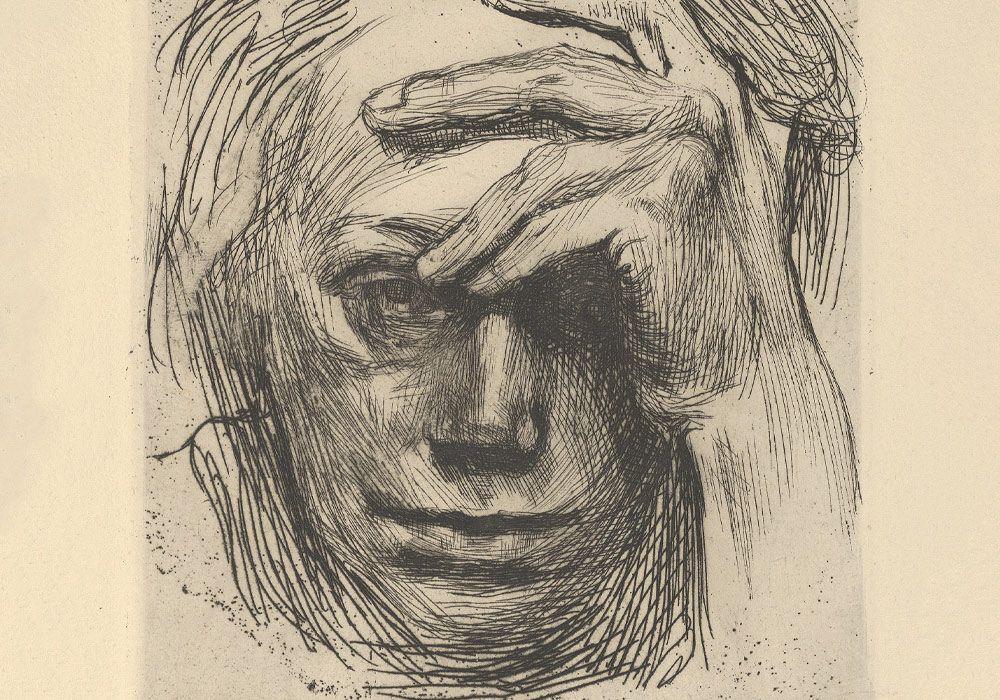
Over the course of exactly 36 years, I have written handbooks on textual criticism, a thriving field in which much happens; there are new revelations, new theories. As part of these events, I matured and my views changed.
The writing of handbooks comes with heavy responsibility toward the readership, as they serve as sources of information and influence, so the content needs to be reliable. A handbook needs to find an equilibrium between facts and the personal opinions of the author because objectivity cannot be total in the humanities. The author, therefore, must indicate where objectivity ends and subjectivity begins.
- The Text-Critical Use of the Septuagint in Biblical Research was published in three editions (1981, 1997, and 2015).
- Textual Criticism of the Hebrew Bible [TCHB] was first published in 1989 in Hebrew, and the English version has known four different editions (1992, 2001, 2012, 2022).[1]
- Scribal Practices and Approaches Reflected in the Texts Found in the Judean Desert was published in two editions (2004, 2025).
In all these revised editions I changed my mind on some basic concepts.[2]
MT versus all Other Texts—I now believe that the Torah texts need to be divided into two major groups: the traditional or Masoretic Text preserving the most reliable tradition and all other texts representing a popular text tradition.[3] But this realization only dawned on me when I was writing the fourth edition of TCHB.
The original texts—my speculations about the shape of the sources that eventually became the biblical texts changes from one edition to the next. The description is constantly simplified, and I hope improved, but even so, it is still different.
The Qumran scrolls—I used to think of what was found in the caves as a depository, but now I think it was a library.
Scroll details—the second edition of my handbook on the scribal practices of the Judean Desert scrolls corrected many of the technical data about the scrolls: measurements, sizes, statistics, nomenclature, data in the tables.[4]
Calculating differences between texts—in Qumran we are blessed with different types of Scripture text, and the problem is—as my readers have rightly complained—I calculate the numbers/percentages per text type differently between the editions of my book. This is not a question of mathematical error. Rather, it reflects how my thinking about the right way to delineate and quantify these differences has developed over time.
These revised editions may have been good for the sales—Fortress Press tells me that TCHB is their bestseller—but they have created practical problems along the way: Librarians sometimes found it difficult to keep track of me; my students, who were familiar with previous editions, were instructed to turn to the latest one.
Responsibility for Mistakes and Influence
On a more emotional level, I was also apprehensive about having misled a generation of readers with views that I expressed authoritatively but no longer subscribe to. With every publication of a revised edition of my work, I sensed a feeling of satisfaction. But this was mixed with some feelings of guilt that I had provided readers of previous editions with incorrect or incomplete data, or tried to convince them of perspectives that I had now abandoned.
And here is the issue with the authority of handbooks again: People are not always convinced by the updated view, and every once in a while, a scholar prefers to stay with my erstwhile view rather than the updated one. Isn’t this a difficult situation that an author has to face when offering a revised version of a handbook to the public? What right does an author have to convince readers of a view, and then with the same fervor, to convince them of the correctness of a newer, different one?[5]
True, this is the nature of scholarship. After all, we develop all the time. But someone could say, wait a moment, don’t be so hasty, don’t publish your handbook, wait until your views have matured, and make them known later. And there is some truth to this as well. Hastiness in publication is never good, but even with carefully considered scholarship, changes in views are bound to occur, and the complications just described are unavoidable. We therefore need to live with the reality of writing and occasional revising when needed.
Between Teshuvah for Sin and Guilt Over Outdated Views
As for whether a scholar’s internal intellectual development has any connection to the idea of teshuvah (repentance), I think they differ conceptually. Teshuvah is a changing of mind, born from the inner conviction that the previous way of life was the way of a sinner. The repentant baʿal teshuvah looks towards a brighter future, out of conviction and happiness. In the post-publication mind change, however, the guilt is not about the change itself but about the uneasy feelings over consequences of the previous view still being accessible and out there, and the influence it had and continues to have long after their abandonment.
TheTorah.com is a 501(c)(3) nonprofit organization.
We rely on the support of readers like you. Please support us.
Published
August 27, 2026
|
Last Updated
October 8, 2026
Previous in the Series
Next in the Series
Before you continue...
Thank you to all our readers who offered their year-end support.
Please help TheTorah.com get off to a strong start in 2025.
Footnotes


Prof. Emanuel Tov is J. L. Magnes Professor of Bible (emeritus) in the Dept. of Bible at the Hebrew University, where he received his Ph.D. in Biblical Studies. He was the editor of 33 volumes of Discoveries in the Judean Desert. Among his many publications are, Scribal Practices and Approaches Reflected in the Texts Found in the Judean Desert, Textual Criticism of the Bible: An Introduction, The Biblical Encyclopaedia Library 31 and The Text-Critical Use of the Septuagint in Biblical Research.
Essays on Related Topics: